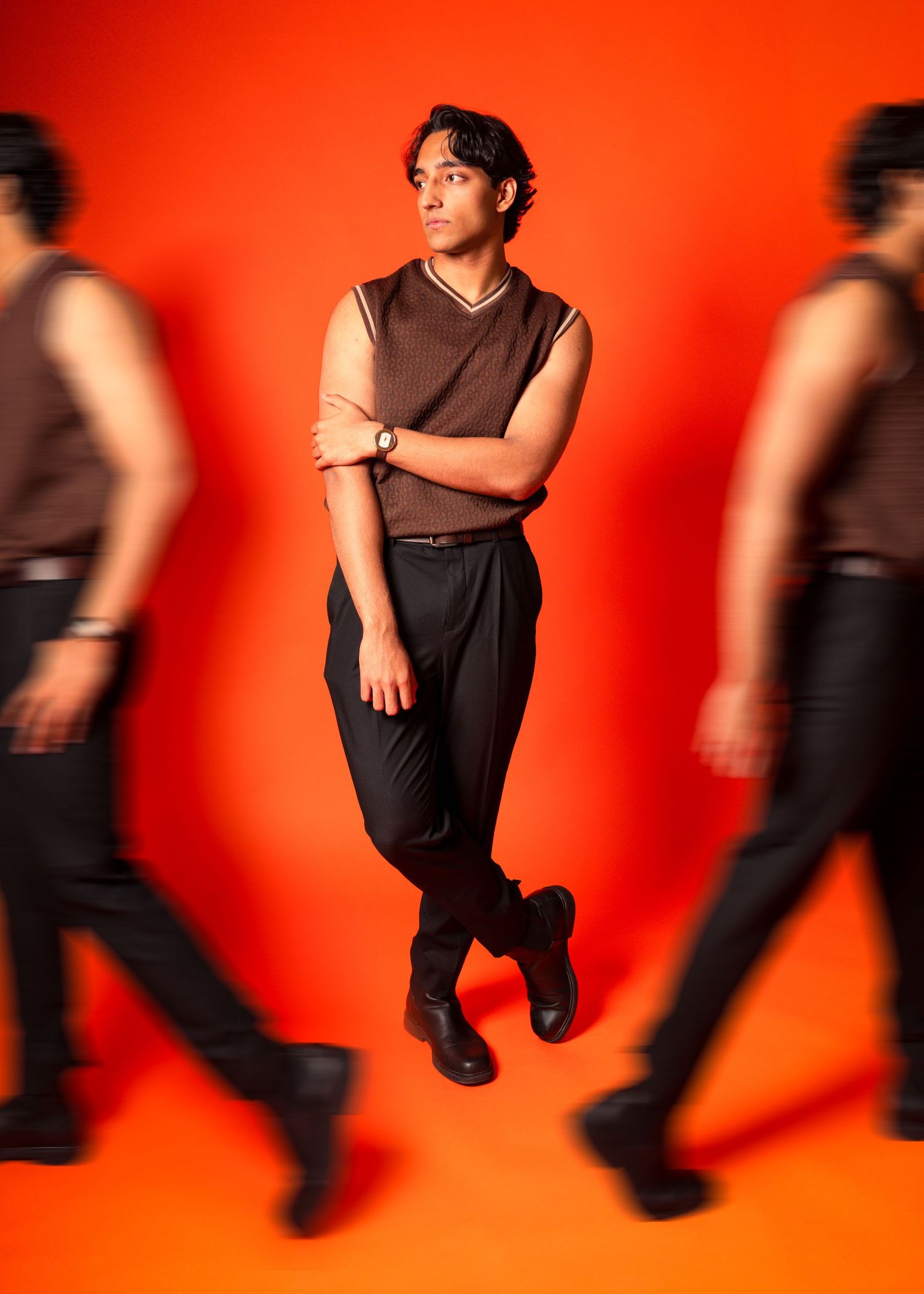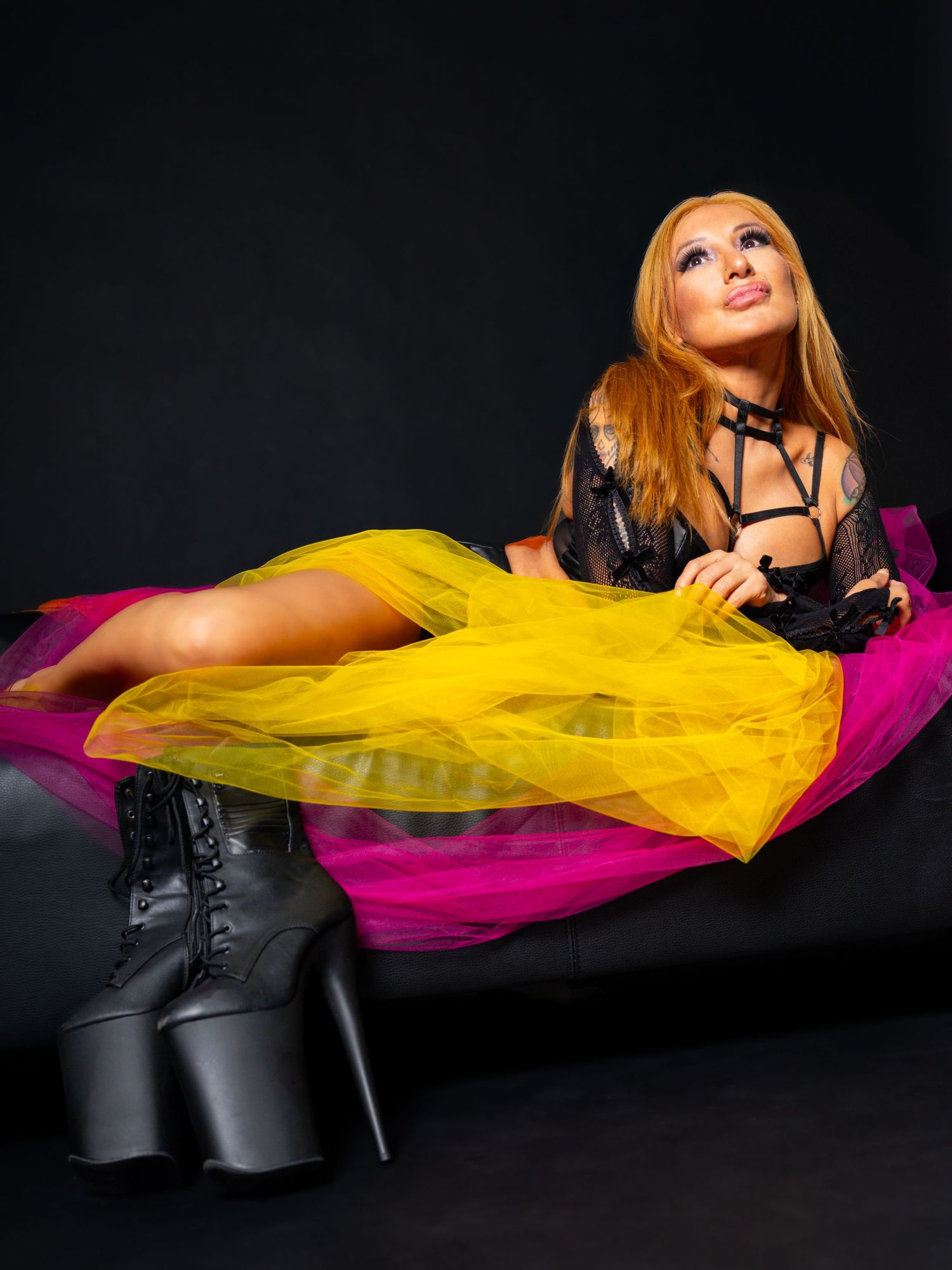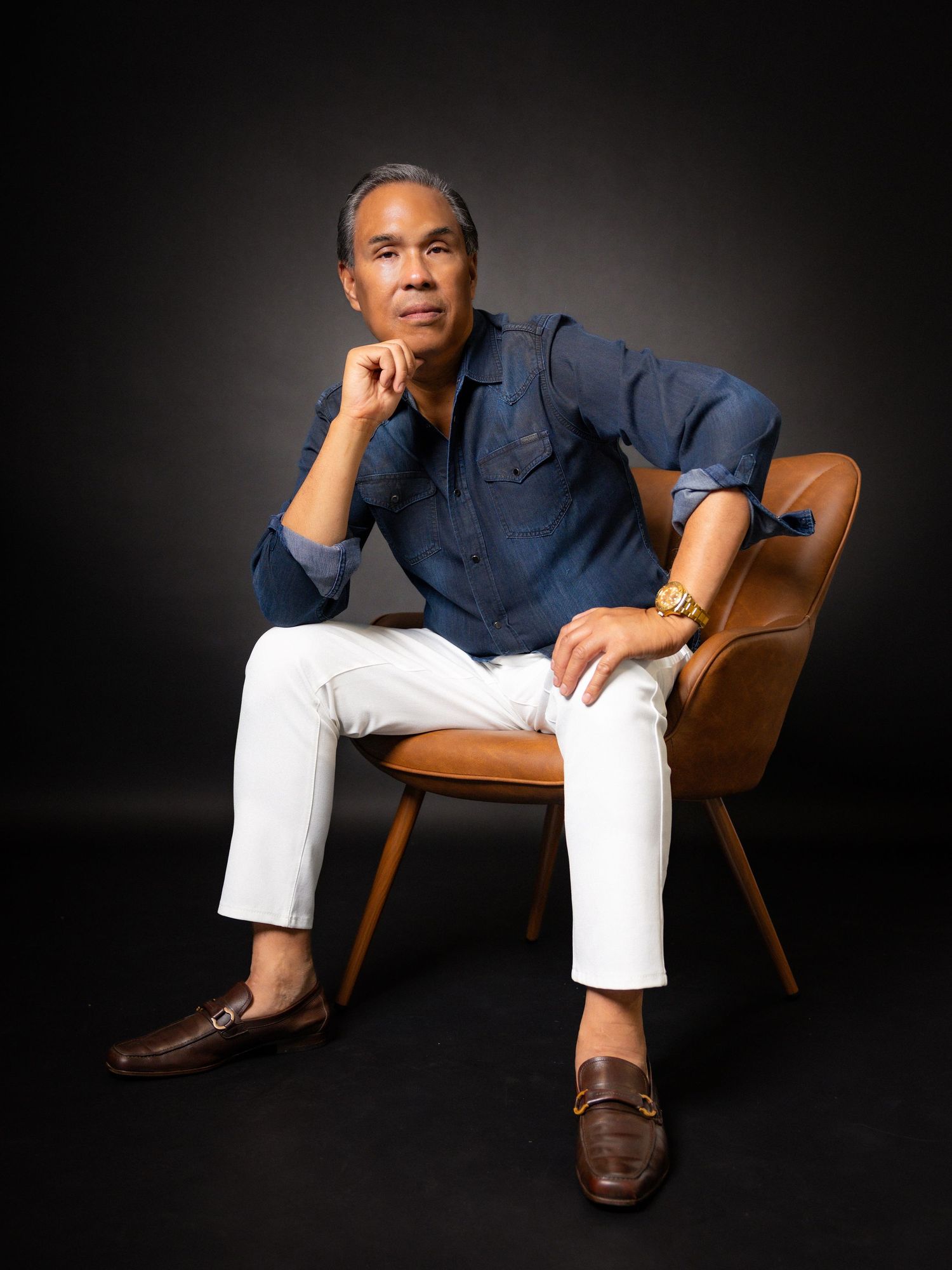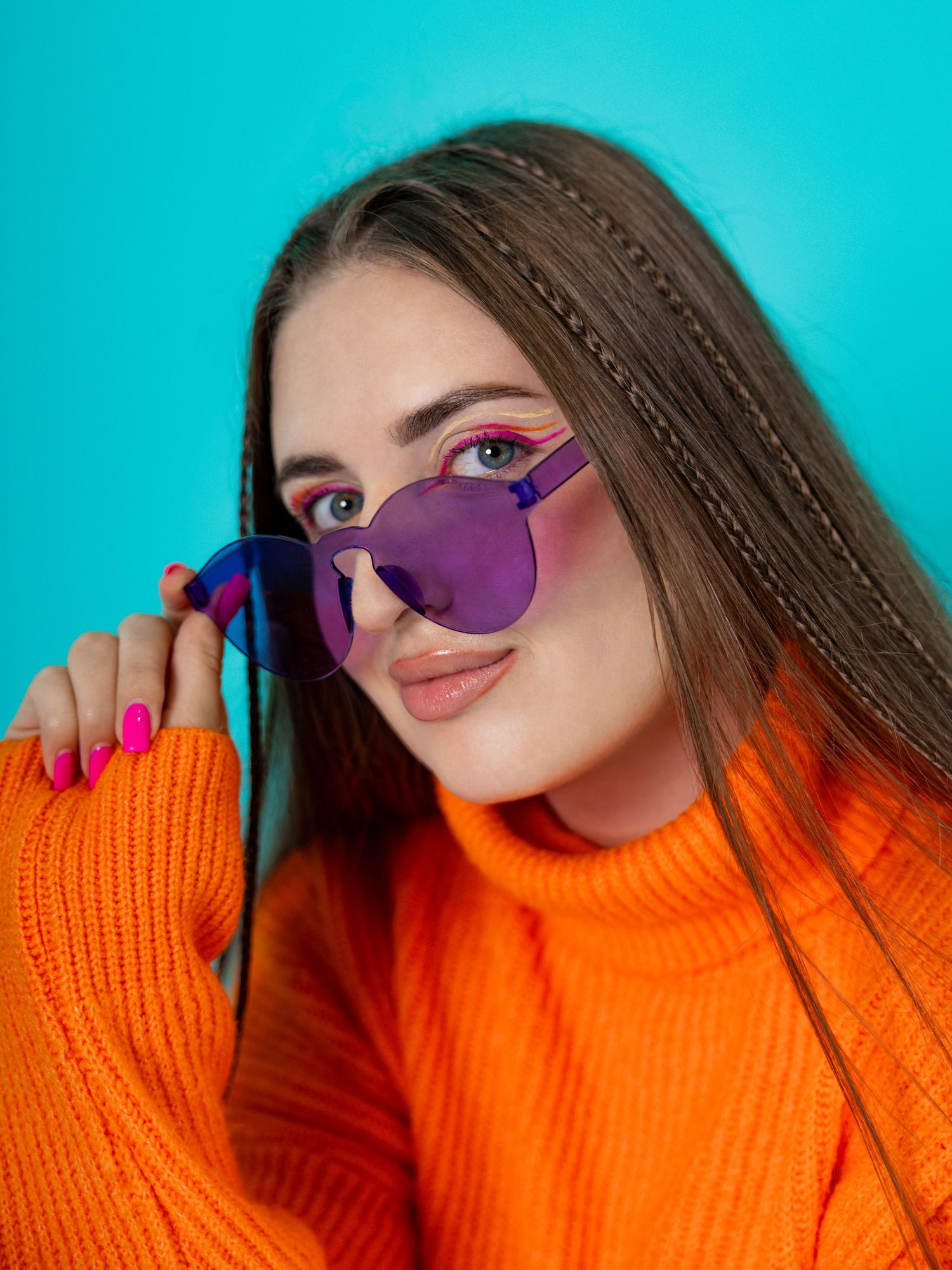
When you hire a photographer, you're not just hiring someone to take your photograph. You're hiring them to finish it, too. And that part matters a lot more than most people realize!
Give five photographers the same person, the same location and even the same lighting, and you'll get five different finished photographs. Part of that happens in camera. Photographers see things differently. They light differently. They compose differently. They choose different moments. And then they edit differently.
Editing is a photographer's signature. Their fingerprint.
It's one of the reasons you can look at certain photographers' work and recognize who created it before you ever see their name. And it's one of the biggest things you should pay attention to before you book.
What Actually Goes Into Professional Photo Editing?
There's a fairly common idea that professional photo editing involves taking a good photograph, making it a little brighter, clicking a couple of things in Photoshop and calling it a day. If only! Before we even start editing, there's the matter of deciding which photographs are actually worth finishing.
Hundreds of images can be captured in a surprisingly short amount of time. So we go through them carefully, comparing expressions, checking focus, looking at body position, hands, clothing, hair and all the tiny details that can make one frame stronger than the one taken half a second before it.
Sometimes the difference between a good photograph and a great one is barely noticeable at first glance. But those little differences matter. Only then does the actual editing begin. Exposure. Colour. White balance. Contrast. Highlights. Shadows. Skin tones. Cropping. Then there's retouching. A stray hair across your face. A temporary blemish. Lint on a black shirt that apparently invited 47 of its closest friends. Wrinkles in clothing. Reflections. Background distractions. Something sticking out behind your head that nobody noticed during the session but is now absolutely impossible to unsee.
Some photographs need very little. Others need considerably more. One image might take a few minutes to finish. Another could take an hour or longer, depending on the complexity of the work. And a lot of professional editing is actually about knowing when to stop.
We still want skin to look like skin. We still want you to look like you. The goal isn't to have someone look at your photograph and say, "Wow, they really Photoshopped that." The goal is for them to say: "That's a great photograph."
Presets vs. Professional Photo Editing
We should probably talk about presets because they're part of photography. A preset is essentially a saved collection of adjustments that can be applied to a photograph. It can establish colour, contrast, tone and an overall look very quickly.
And presets aren't bad. Plenty of professional photographers use them as a starting point in their workflow. But there's a difference between starting with a preset and finishing a photograph. A preset applies a predetermined look. Editing asks: What does this particular photograph need? Maybe the skin tone needs adjusting. Maybe the background is too warm. Maybe there's too much green reflecting onto someone's skin from the grass. Maybe the highlights need pulling back. Maybe the photograph needs more contrast. Maybe it needs less. A preset doesn't make those individual decisions. The photographer does. And that's where experience, judgement and craftsmanship come in.
Why Do Some Photographers Deliver 40 Images While Others Deliver Five?
This is where photography pricing gets particularly confusing. Imagine two photographers offering a 20-minute photography session. One charges $100 and delivers 40 photographs. The other charges $300 and delivers five.
At first glance, the math seems pretty obvious. Forty is more than five. We checked. So why would anyone pay three times as much for fewer photographs? Because you're not necessarily comparing the same product.
A photographer offering a high-volume, lower-cost session needs an efficient workflow. They may photograph several sessions, select a larger number of usable images, apply a consistent editing style across the gallery, make general corrections and deliver the photographs relatively quickly. And there's absolutely a place for that. If you want lots of photographs, plenty of choice and a lower price, that photographer may genuinely be the better fit for you.
But the photographer delivering five photographs for $300 may be selling something quite different. Those five images might be carefully selected from dozens or hundreds of frames. Each one may then be individually colour-corrected, refined and retouched. Skin tones adjusted. Stray hairs removed. Clothing cleaned up. Background distractions eliminated. Light refined. Tiny details corrected.
Both photographers spent 20 minutes photographing you. What happens after those 20 minutes may be completely different. And that's why dividing the price of a photography session by the number of images delivered doesn't really tell you what you're buying.
You're Not Paying for 20 Minutes
If a session lasts 20 minutes and costs $300, it's easy to think: "$300 for 20 minutes?!" Except you didn't buy 20 minutes. You bought the finished photographs. The time spent photographing you is only one part of creating them. There's the preparation, professional equipment, studio or location, image selection, colour correction, editing and retouching. And perhaps most importantly, the years of experience behind all those decisions. Because knowing how to edit something is important. Knowing what not to edit is just as important. We can remove every pore from your face. We just really, really shouldn't.
Why We Chose to Deliver Fewer Photographs
Not Normal Photography learned something from our own clients. We've delivered larger galleries before. And even when we delivered quantity and quality, we noticed something kept happening. Clients tended to gravitate toward the same five or six photographs. The ones they really loved. The ones they showed people. The ones they shared. The ones that became their phone wallpaper. The ones they printed, framed or put on a wall.
And the rest? They were still good photographs. But many of them simply lived quietly in a gallery or on a hard drive. That made us rethink how we structured our photography packages. We stopped asking: "How many photographs can we give?" And started asking: "Which photographs are people actually going to care about?"
So we tailored our packages around what we'd learned. Rather than spending time editing photographs that clients may never use, we put that time into carefully selecting and individually finishing the photographs they're most likely to want.
Not to create scarcity. Not to make a smaller gallery seem more exclusive. But to put the value where it actually matters. Instead of paying for photographs you probably don't want or need, you're paying for the quality of the ones you do. Because realistically, how many almost-identical photographs of yourself are you going to make your phone wallpaper? Exactly.
That doesn't mean larger galleries are wrong. Weddings, events and documentary photography are perfect examples of situations where having lots of photographs can be the entire point. But that's not what most of Not Normal Photography's sessions are designed to create. We'd rather deliver five photographs you absolutely love than 40 you simply quite like.
Different Photography Editing Styles Create Different Results
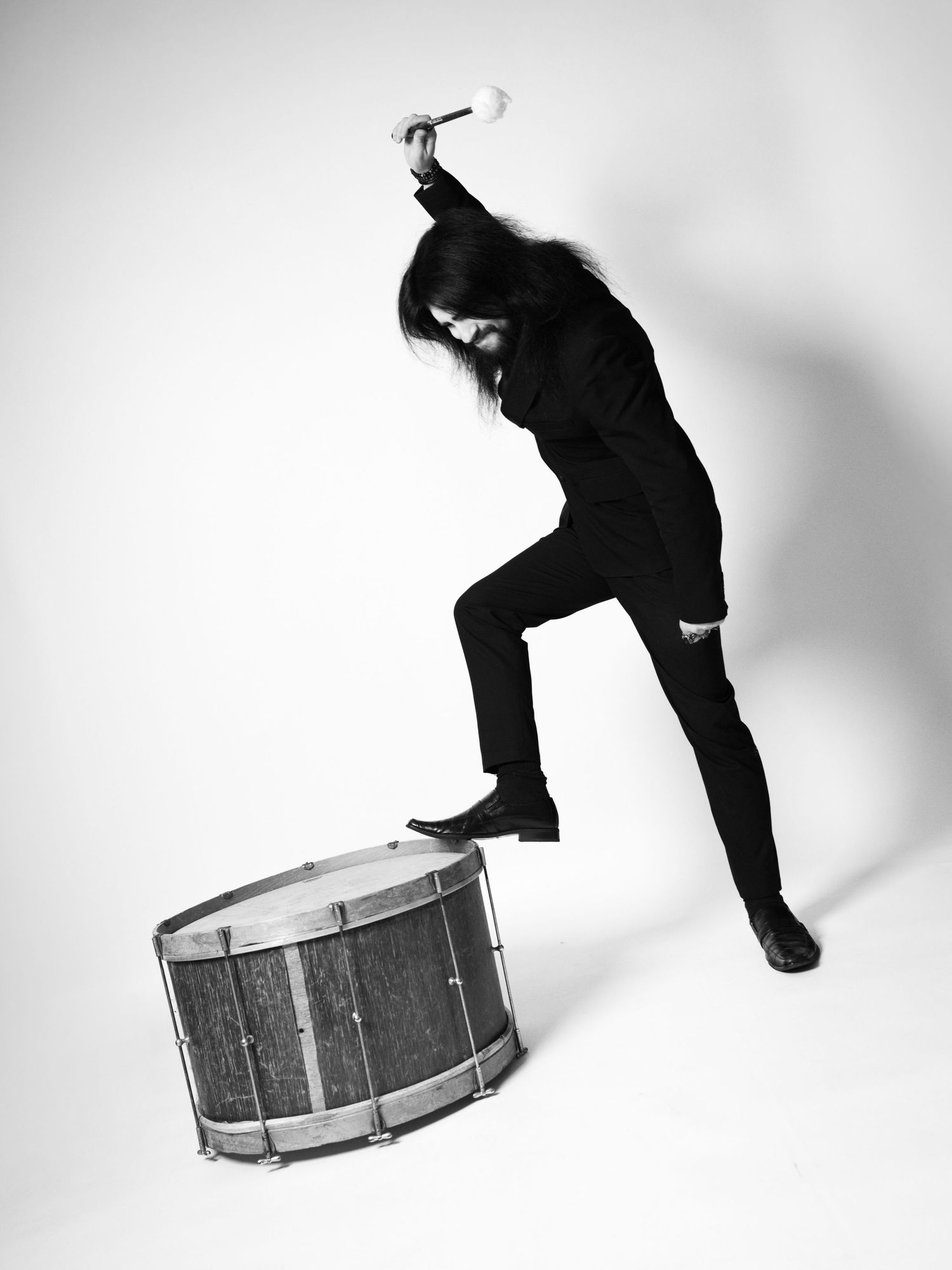
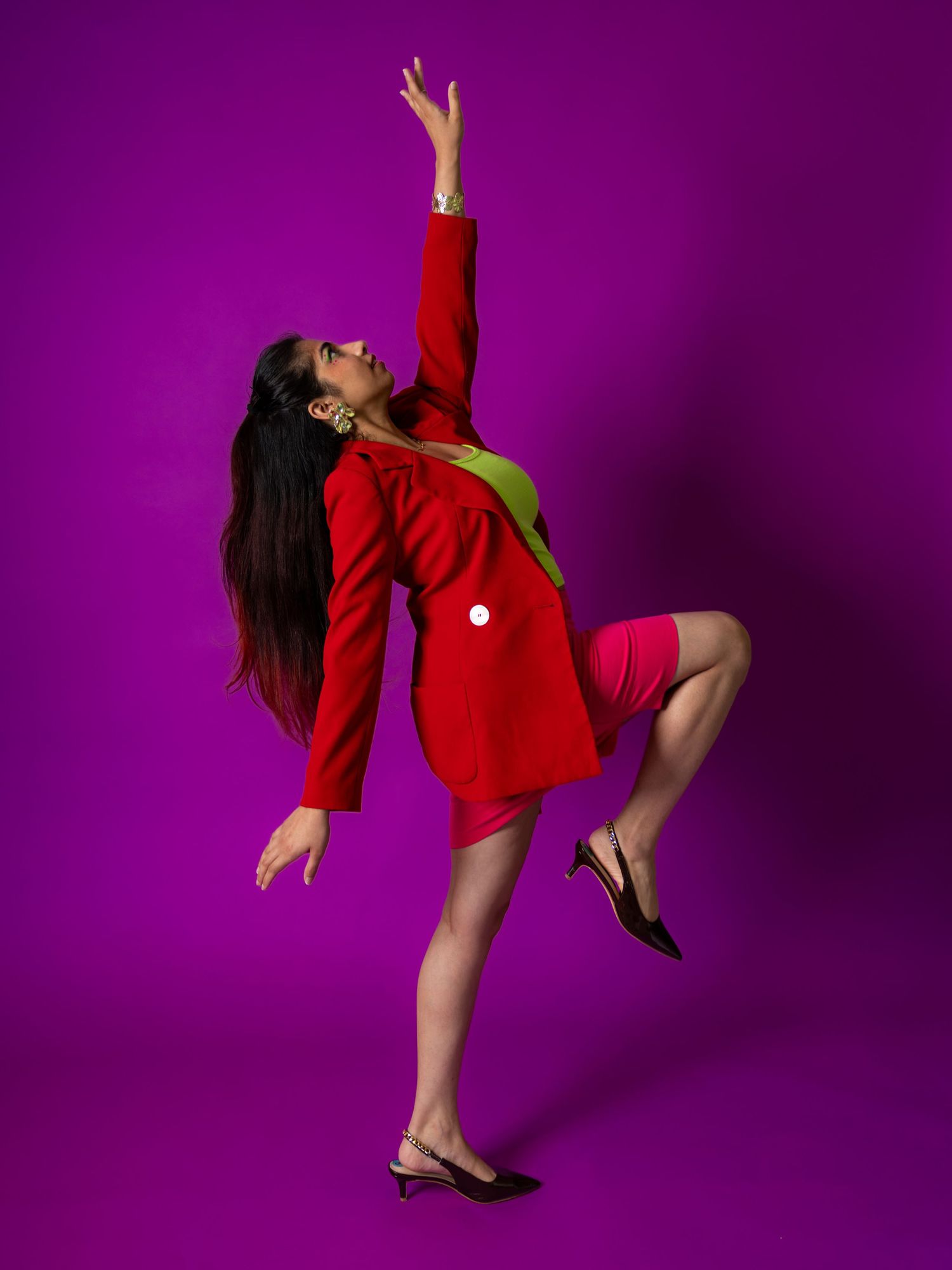
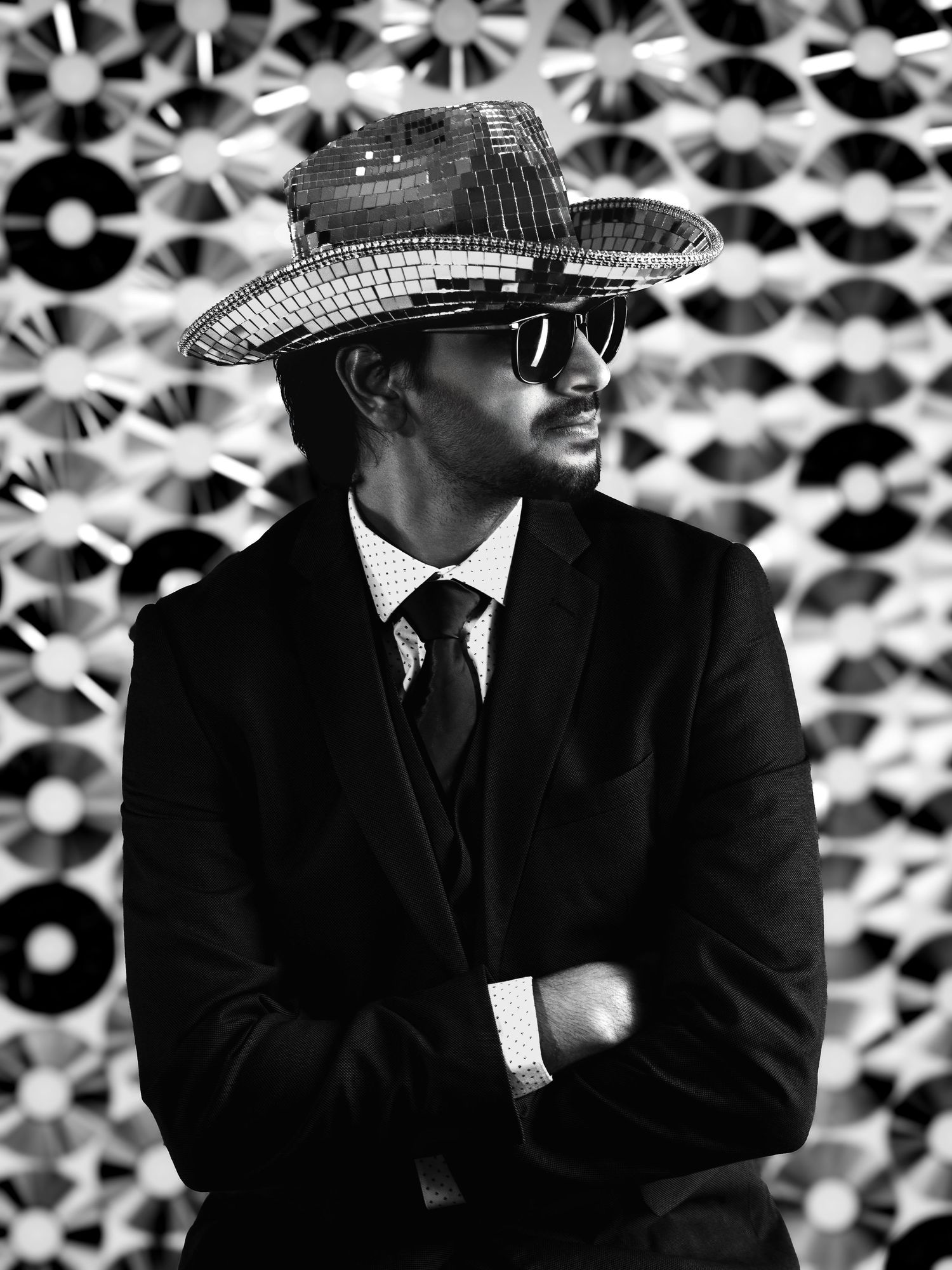
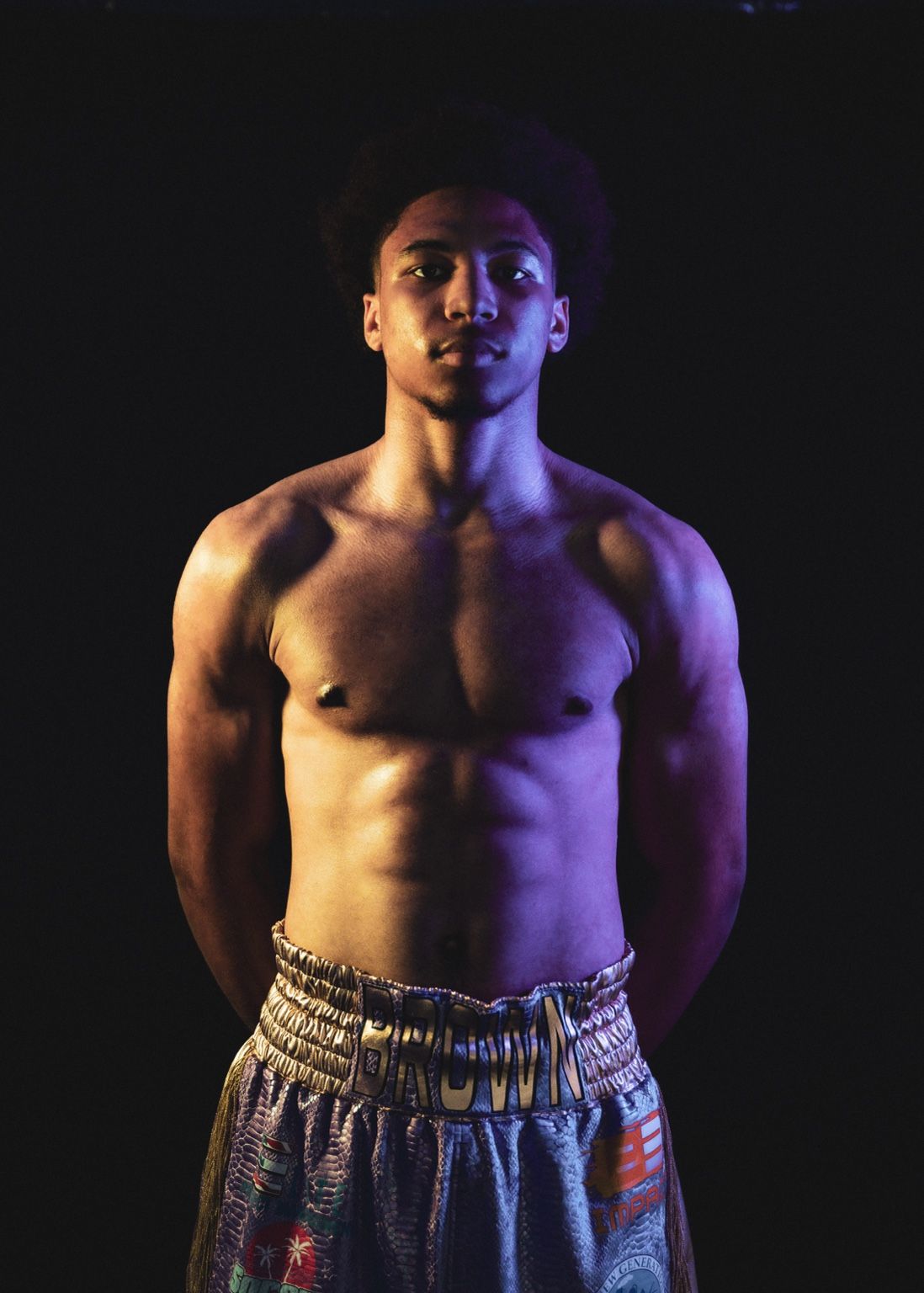
Look at enough photography and you'll start noticing how different photographers approach their finished images. Some create bright, light and airy photographs. Others prefer dark, moody images with dramatic shadows. Some favour warm, earthy colours. Others prefer natural, true-to-colour editing. Some create highly polished, cinematic photographs. Others lean toward a softer, more understated finish.
Retouching styles vary, too. Some photographers create smooth, perfected skin. Others preserve considerably more natural texture. These aren't necessarily right or wrong approaches. They're artistic choices. And over time, those choices become recognizable. That's the photographer's fingerprint.
Make Sure You Actually Love Your Photographer's Work
This may sound obvious. It apparently isn't always obvious. Before you book a photographer, look at their portfolio. Really look at it. Don't just look at the pose, the outfit or the location. Look at the finished photographs. Do you like the colours? The skin tones? The contrast? The shadows? The retouching? Does the overall style feel like something you'd want for yourself?
Because if you love bright, airy photography and hire someone whose entire portfolio is dark and cinematic, asking them afterwards to make everything light and airy probably isn't going to make either of you particularly happy. And vice versa. Don't hire a photographer and then ask them to make their photographs look like somebody else's. Hire the photographer whose work you wanted in the first place.
Our Approach to Professional Photo Editing at Not Normal Photography
At Not Normal Photography in Langley, BC, we're thinking about the finished photograph before we ever press the shutter. The lighting is chosen with the finished image in mind. So is the background. The wardrobe. The pose. The colour. The mood.
And when we edit, not every photograph gets exactly the same treatment simply because it came from the same session. Some images need restraint. Some need drama. Some need very little work. Some need considerably more. That's why we prefer a smaller collection of carefully selected, fully finished photographs over delivering dozens of near-duplicates simply to make the gallery number bigger. For us, editing isn't what happens after we create the photograph. It's part of creating the photograph.
Find the Photographer's Signature That Feels Like You
So don't choose a photographer based only on price, session length or how many images are included. Choose the finished work you want to own. You're buying their eye, their judgement, their experience and their editing. The camera records the image. The photographer finishes it. And that finish is their fingerprint.
Every professional photographer has one. A way of seeing, creating and finishing an image that's uniquely theirs. Ours is just one way of seeing. Find the fingerprint that feels like you. And if it happens to be ours, come say hi.