If you are new to modelling, figuring out which photographs you actually need can become confusing very quickly. You will hear people talk about digitals, polaroids, headshots, test shoots, portfolio images and comp cards—as though you were quietly handed a modelling dictionary at birth and have somehow misplaced it.
The good news is that you do not need dozens of photographs to get started. You need the right photographs for what you are trying to do—not every outfit you own and sixteen variations of looking over your shoulder. A new model applying to an agency needs something quite different from a working model updating a portfolio. Before arranging a photography session, it helps to understand the job each type of image is meant to do.
What are model digitals?
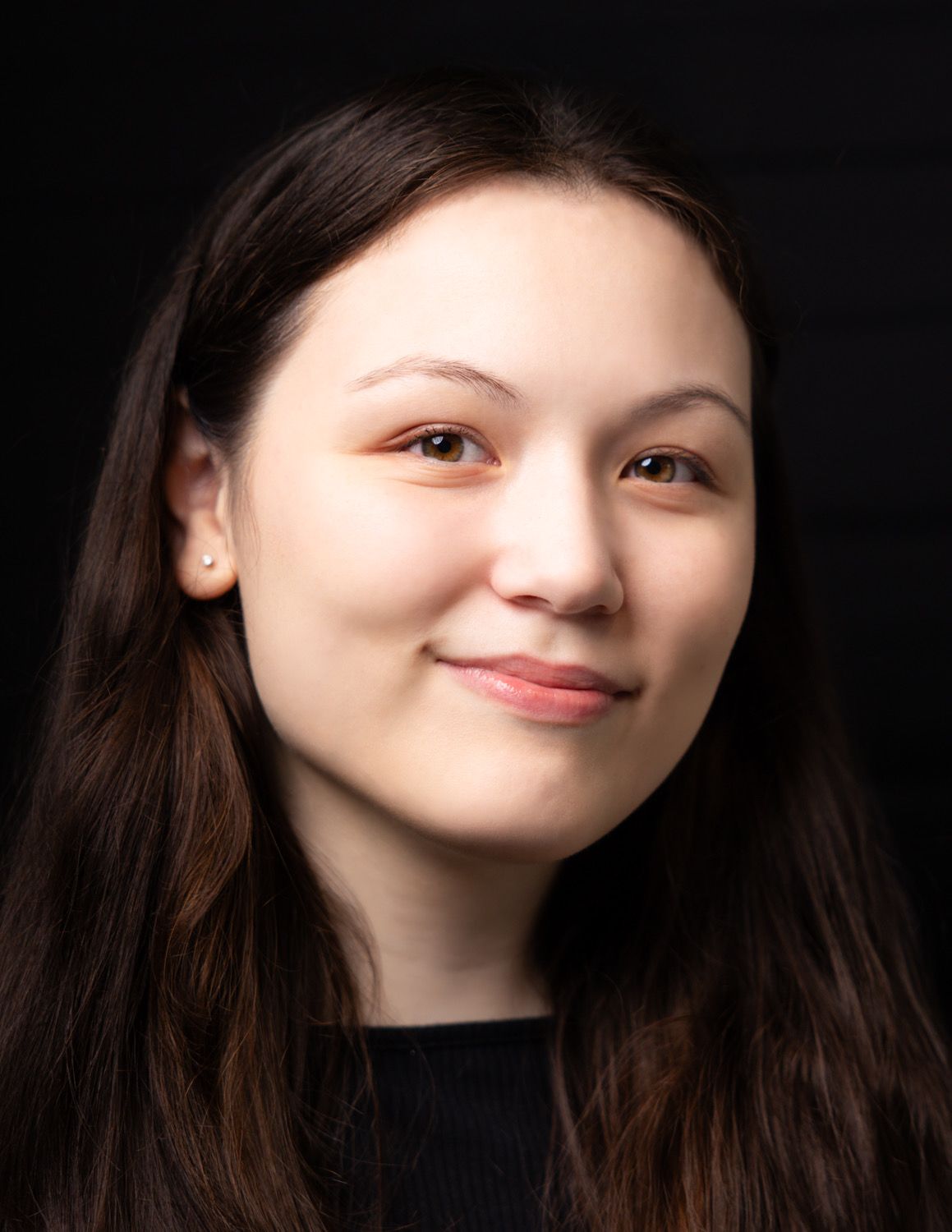
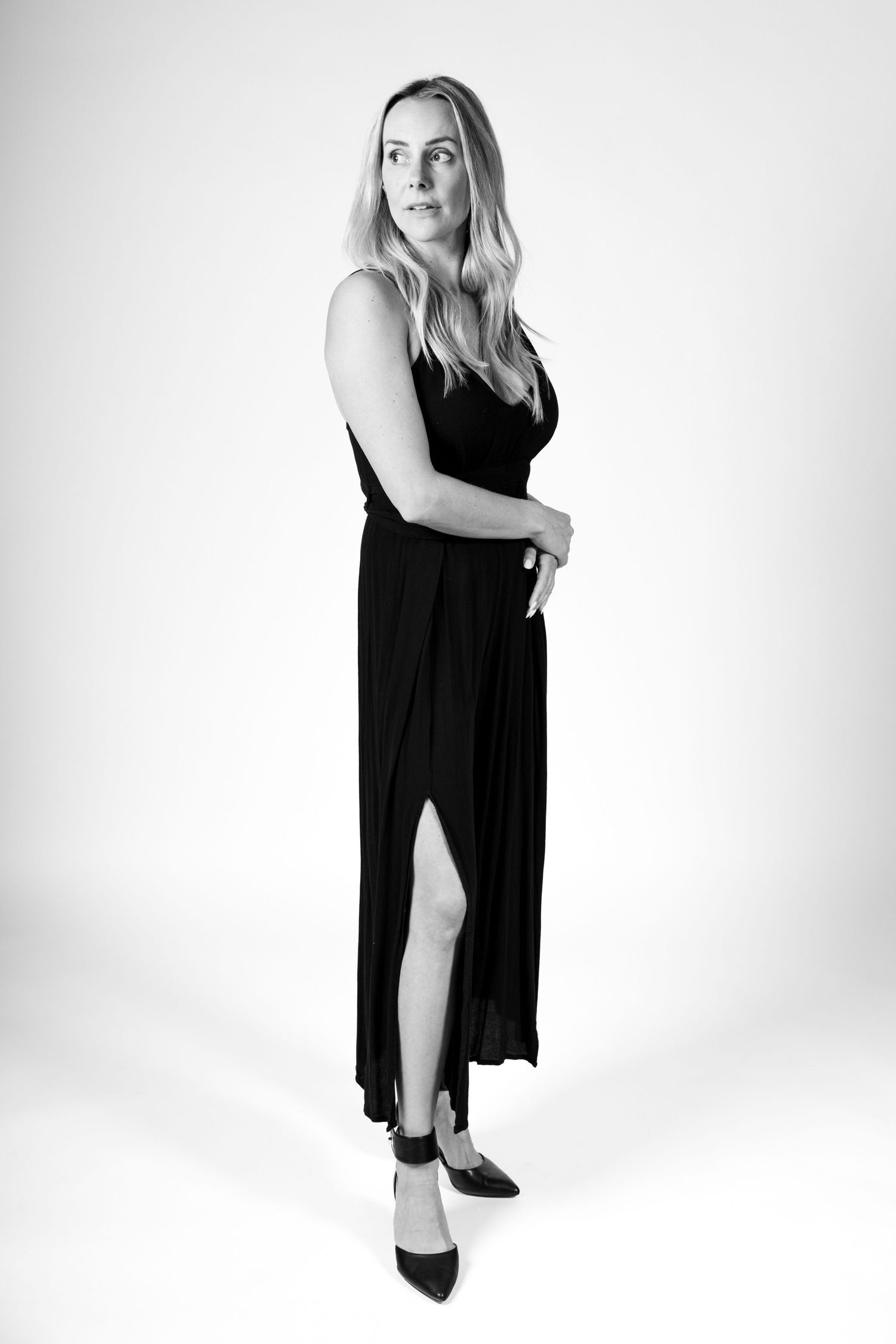
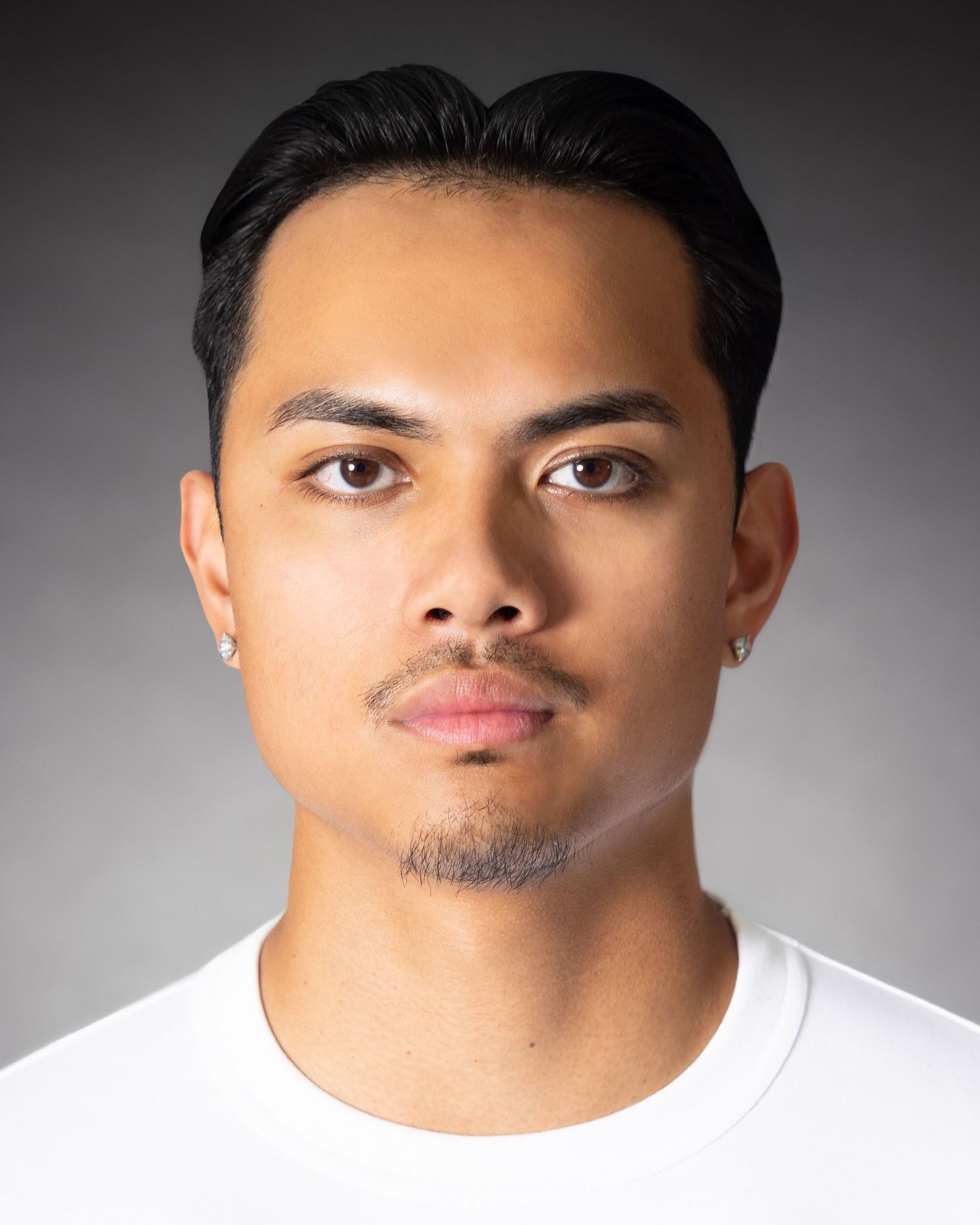
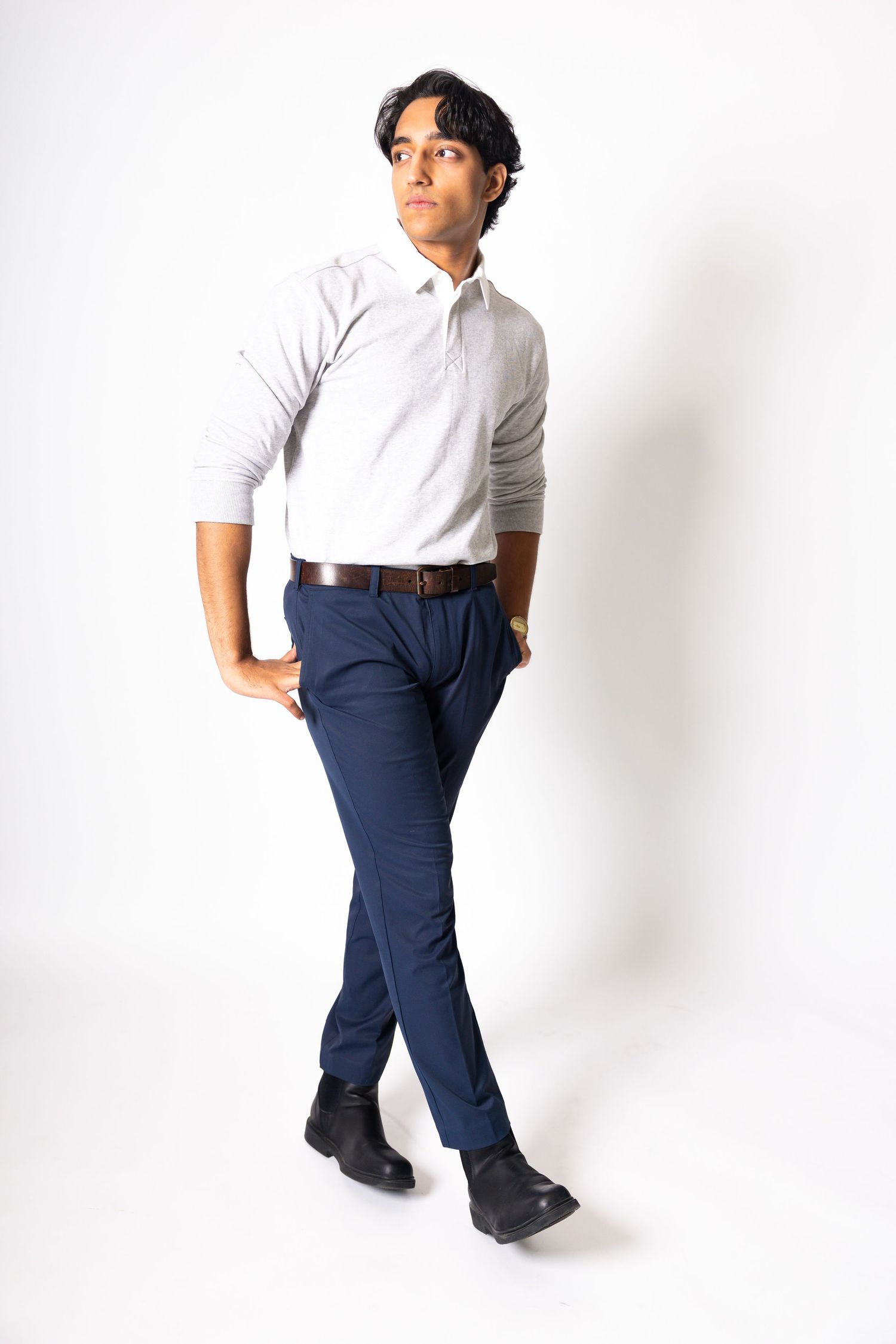
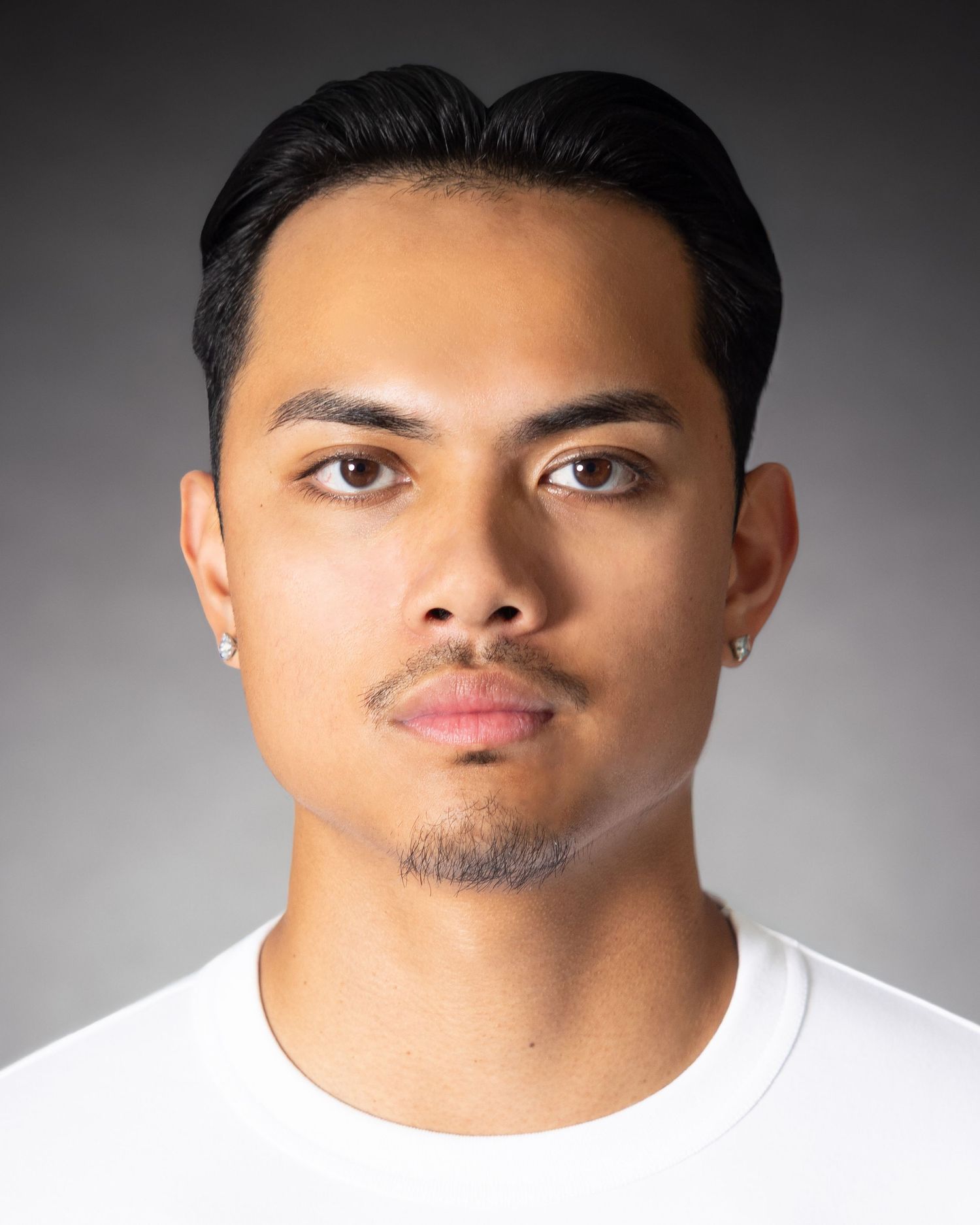
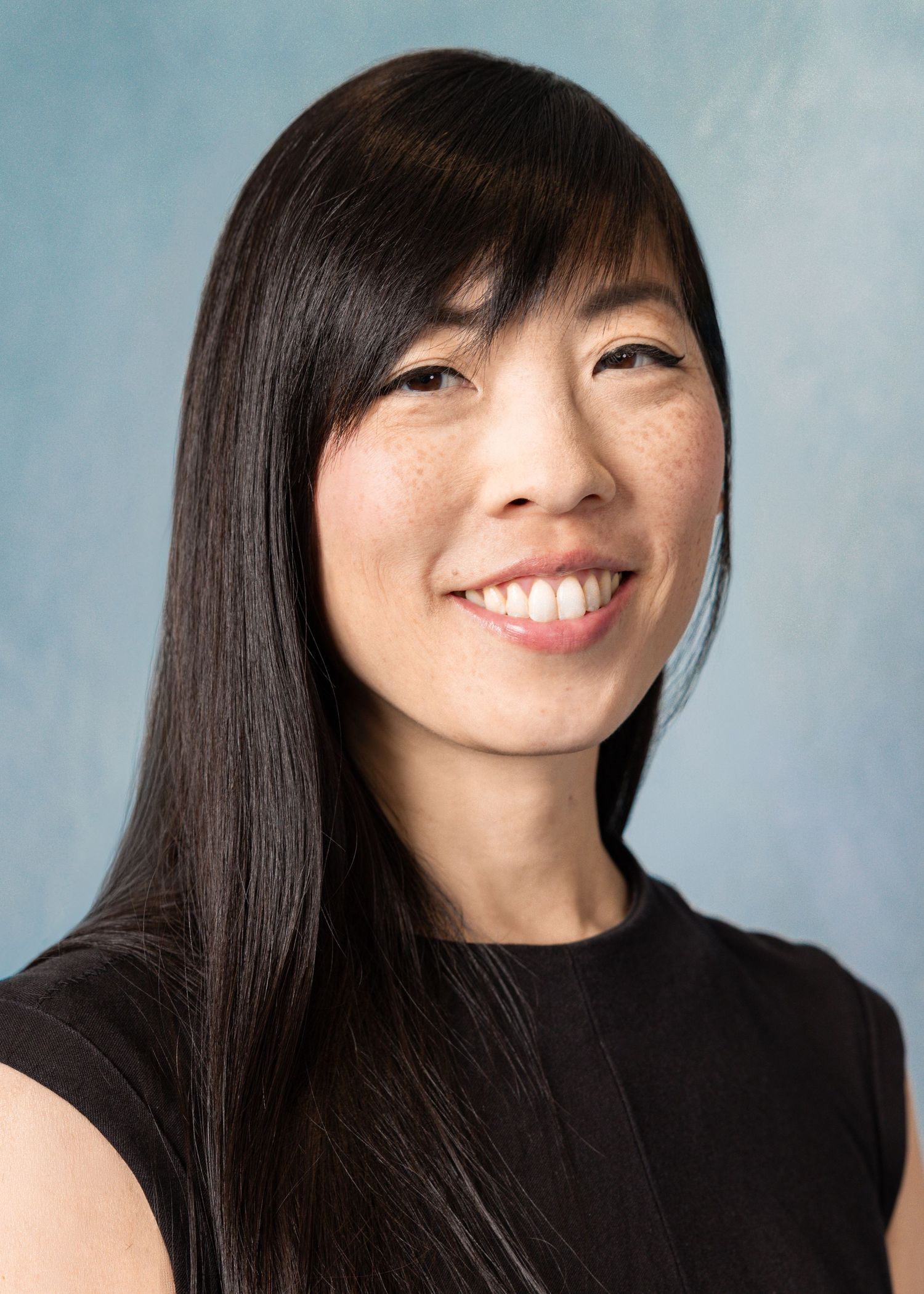
Model digitals—sometimes called agency polaroids—are clean, straightforward photographs that show what you genuinely look like. They are not intended to be glamorous or heavily styled. There should be no dramatic set, elaborate posing or creative editing. The purpose is to give an agency or client an accurate look at your face, proportions and natural presence in front of the camera.
A basic set will commonly include:
* A clear headshot with a neutral expression
* A second headshot with a natural smile
* A three-quarter-length photograph
* A full-length photograph
Some agencies request additional angles or photographs with long hair both down and tied back. Requirements vary, so always read the submission instructions for the particular agency before taking or submitting your photographs.
Do model digitals need to be professionally photographed?
Not always. Many reputable agencies specifically ask new applicants for simple snapshots taken in natural light. Some even state that professional photographs are unnecessary. If an agency asks for phone photographs without makeup, filters or retouching, that is exactly what you should send. This is not the moment to decide that the agency would surely prefer you surrounded by fog with one perfectly placed beam of purple light. They would not.
A professional digital session can still be useful when you want consistent lighting, correct framing, clear direction and a complete set you can keep updated. It can be particularly helpful if you are unsure how to stand naturally, what angles are required or how to create clean images without turning them into fashion portraits. The important thing is that professional digitals must still look like digitals. They should show you—not an extensively retouched, highly styled version of you.
What should you wear for model digitals?
Simple, fitted clothing usually works best because it allows your proportions to be seen clearly. A fitted tank top or T-shirt with jeans or leggings is often appropriate. Neutral colours such as black, white or grey keep the attention on you rather than your outfit.
Avoid oversized clothing, busy patterns, large logos and distracting accessories. If the logo enters the room before you do, choose another shirt. Wear clean, simple shoes if full-length photographs are required. Hair and makeup should also remain natural. Depending on the agency’s instructions, you may be asked to wear no makeup and leave your hair down, while some will want an additional photograph with longer hair tied back. This is one of those occasions when less really is more.
How much retouching should model photographs have?
True agency digitals should not change your appearance. Basic adjustments to exposure, colour and cropping may be appropriate, but skin texture, facial features, body shape, hair and other identifying details should remain accurate. Filters, skin smoothing and body reshaping defeat the purpose of the photographs. If the finished image looks like your highly polished cousin, the editing has gone too far. Portfolio images may receive slightly more professional finishing, depending on their intended use, but they should still represent you honestly. An agent or client needs to recognize the person who arrives at the casting.
What is the difference between digitals and a modelling portfolio?
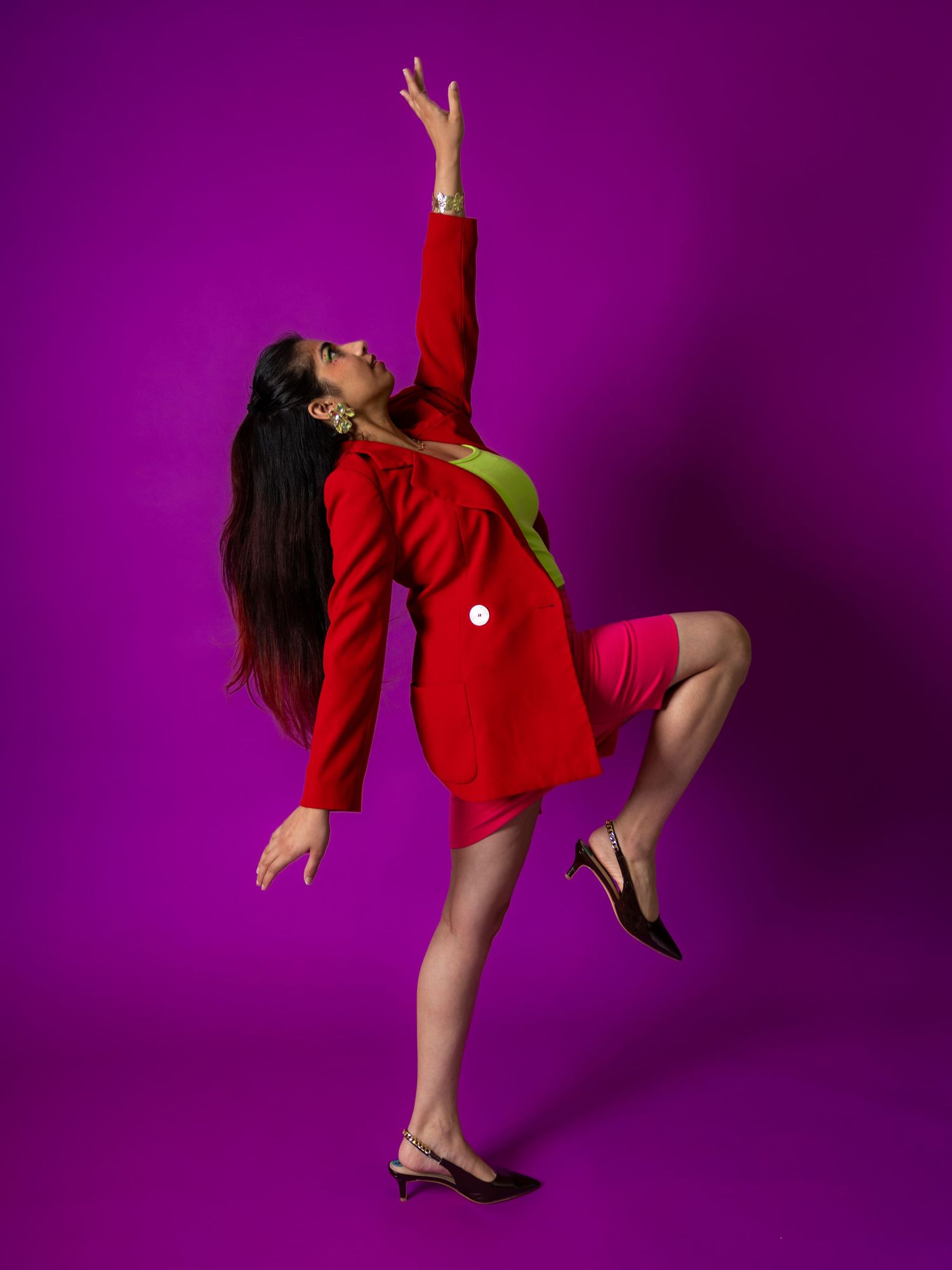
Digitals show what you look like. A portfolio shows what you can do.
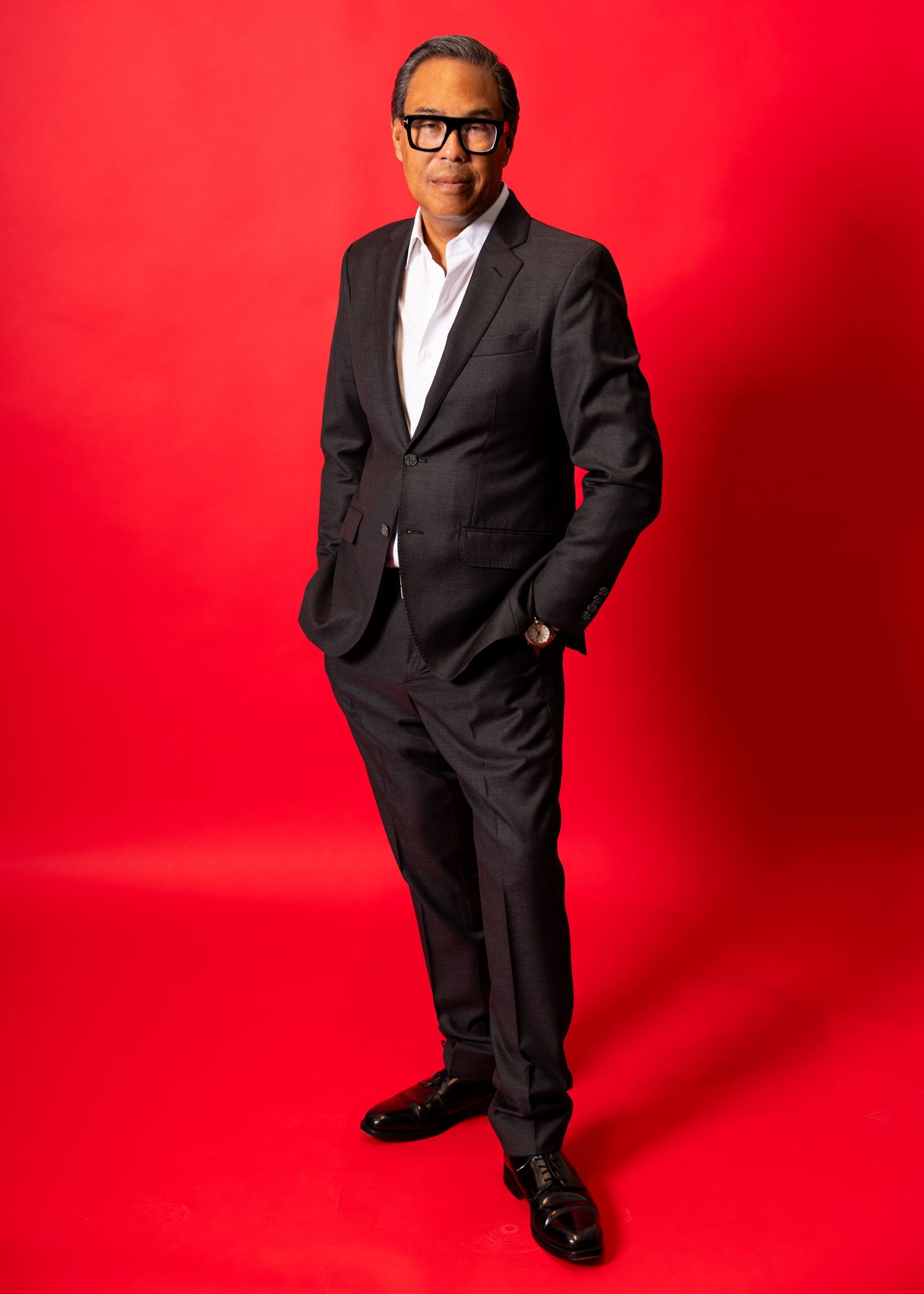
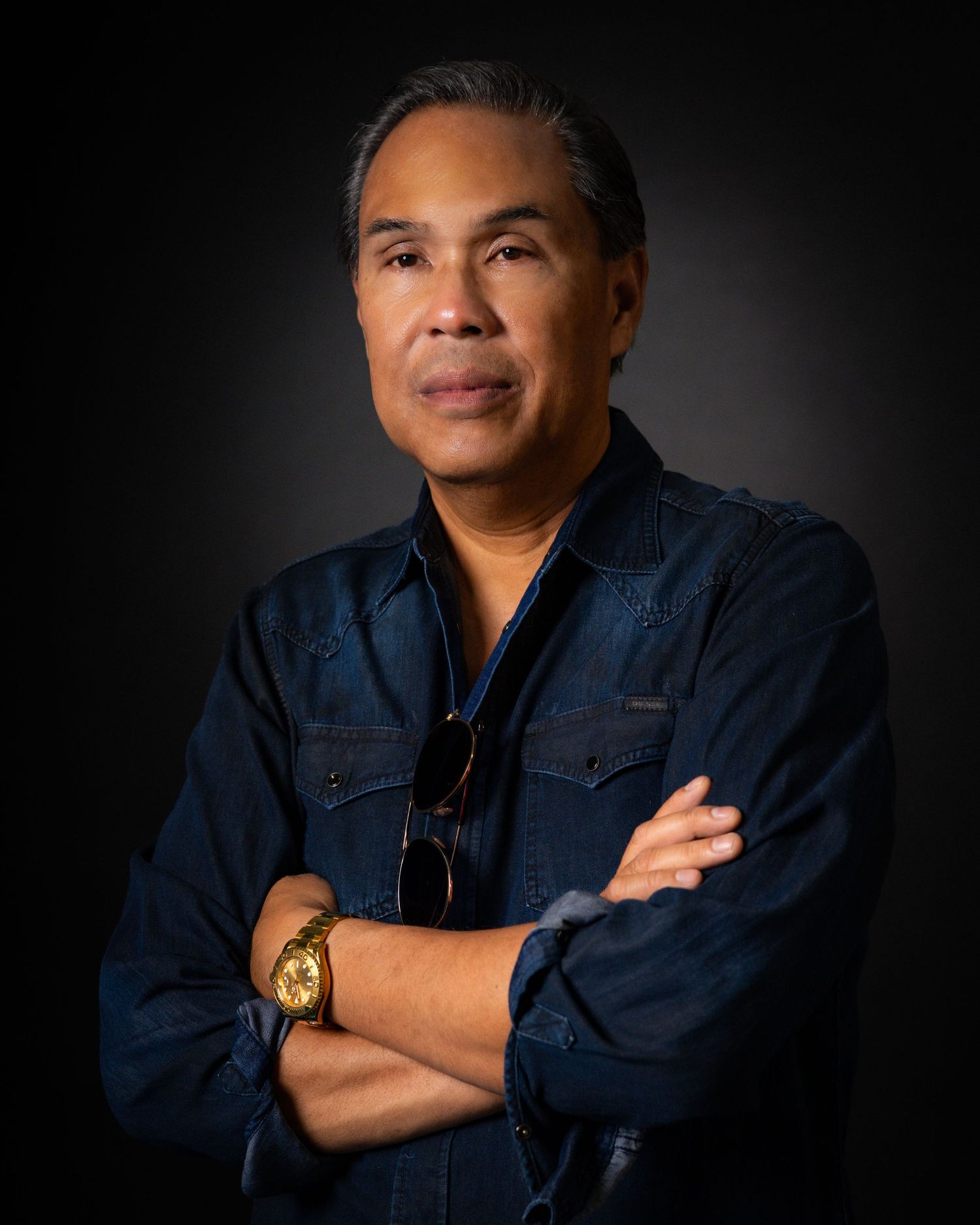
A modelling portfolio is a carefully selected collection of images demonstrating your range, movement, expressions and suitability for different kinds of work. Depending on your goals, it might include clean commercial images, lifestyle photographs, beauty work, fashion or editorial images, fitness photographs or something more creative. The strongest portfolios are not necessarily the largest. Six excellent, varied images will usually tell people more than twenty photographs that all look almost identical.
Every image should add something. Changing your shirt while keeping the same background, lighting, expression and pose does not automatically create range. It is still the same photograph. It simply went shopping. Range comes from showing that you can communicate different moods, take direction and remain believable in front of the camera.
Which photographs should a new model start with?
If you are just beginning, start clean and simple. Your first set should give you accurate headshots, three-quarter-length images and full-length photographs. Once those essentials are covered, you can begin adding personality and variety through a second look, a different lighting style or a more expressive series.
You do not need to build an entire portfolio in one afternoon. In fact, allowing it to develop as you gain experience often produces a stronger and more accurate body of work.
At Not Normal Photography, our model sessions are structured in three levels:
* Model Essentials focuses on clean digitals and the core images needed to show your face and proportions accurately.
* Model Core introduces a second look and more personality while keeping the photographs clean and useful.
* Model Showcase provides the greatest variety, combining strong foundational images with more expressive or creative photographs that remain appropriate for a modelling portfolio.
The photographer selects the final images so the finished collection is concise, varied and useful rather than full of near-duplicates.
When should model photographs be updated?
Your digitals should reflect how you look now. The person arriving at the casting should not be the unexpected plot twist. Update them when your appearance changes noticeably—for example, after a significant haircut, a major colour change, new facial hair or another change that would make older photographs inaccurate. Even without a major change, it is sensible to review your digitals regularly and confirm that they still represent you well.
Portfolio images can be updated as your experience, abilities and goals develop. A new model may initially need clean commercial photographs, while a more experienced model might need to fill a specific gap in an established portfolio.
Start with the purpose, not the photoshoot
Before booking any model photography session, ask where the photographs will be used. Are you applying to a particular agency? Updating outdated digitals? Building your first portfolio? Creating a comp card? Trying to demonstrate more commercial, lifestyle or editorial range?
Once the purpose is clear, it becomes much easier to decide which photographs, outfits and level of variety you actually need. Otherwise, it is remarkably easy to create a beautiful collection of photographs that answers absolutely none of the questions anyone was asking.
Not Normal Photography offers model digitals and portfolio photography from our Langley studio for new and experienced models throughout Langley, Surrey, Abbotsford, Maple Ridge and the Fraser Valley. Every session is professionally directed, with an emphasis on accurate representation, useful variety and images created for a reason.
Because a modelling portfolio should do more than prove you once stood in front of a camera.
Ready to update your model digitals or build your portfolio?
Explore our Model Photography sessions or
contact us to discuss the right starting point.