Ask five actors what photographs they need for casting and you may get five different shopping lists. One has been told to get commercial and theatrical headshots. Another needs a current full-body image. Someone else has an agent asking for one very specific gap to be filled. Apparently, even a photograph of your face now requires a small filing system.
The frustrating answer is that it depends. The useful answer is that most actors should begin with one strong, current headshot that clearly represents how they look now. Additional photographs should only be added when they provide something genuinely different—another casting direction, more physical context or a specific image requested by an agent or production.
Not every actor needs every type of photograph. The goal is not to collect every possible variation. It is to create the right photographs for the actor, the work being pursued and any instructions provided by an agent, casting platform or production.
First, Check What Is Missing
Actor photographs help agents and casting professionals see who you are, recognize you on a self-tape or in the room, and begin to imagine where you might fit. They do not need to explain every role you could ever play. They do need to provide accurate information quickly.
Before booking a session, look at what you already have and consider:
* Are you creating your first professional casting profile?
* Are you replacing images that no longer look like you?
* Has your agent identified a gap in your current set?
* Has a casting notice requested a particular crop or full-body image?
Those answers should determine the session—not the understandable temptation to bring six outfits and hope a strategy emerges from the clothing rack. A first set, a replacement set and an expansion set are different assignments. Treating them as the same usually produces repetition.
What Makes a Useful Primary Actor Headshot?
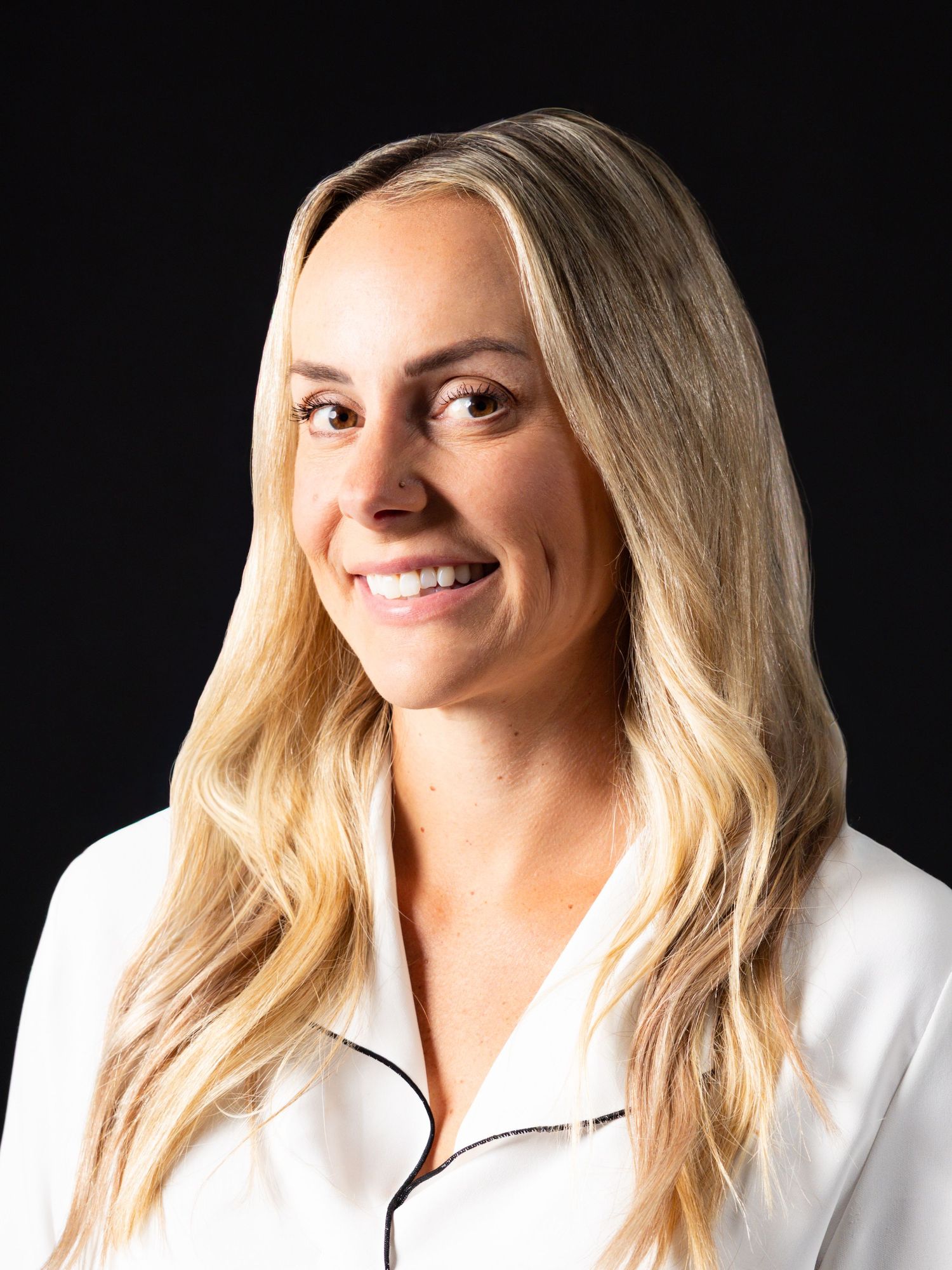
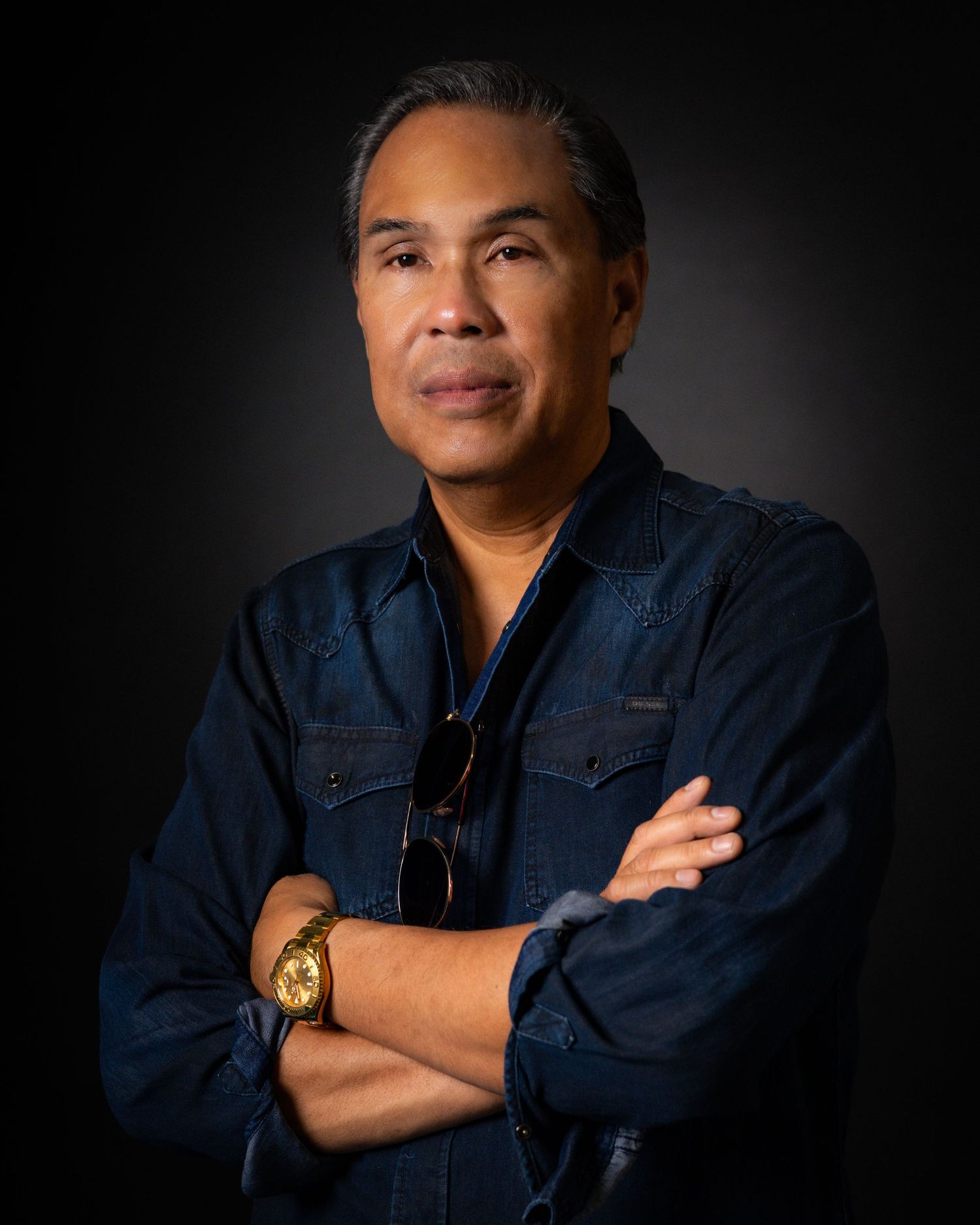
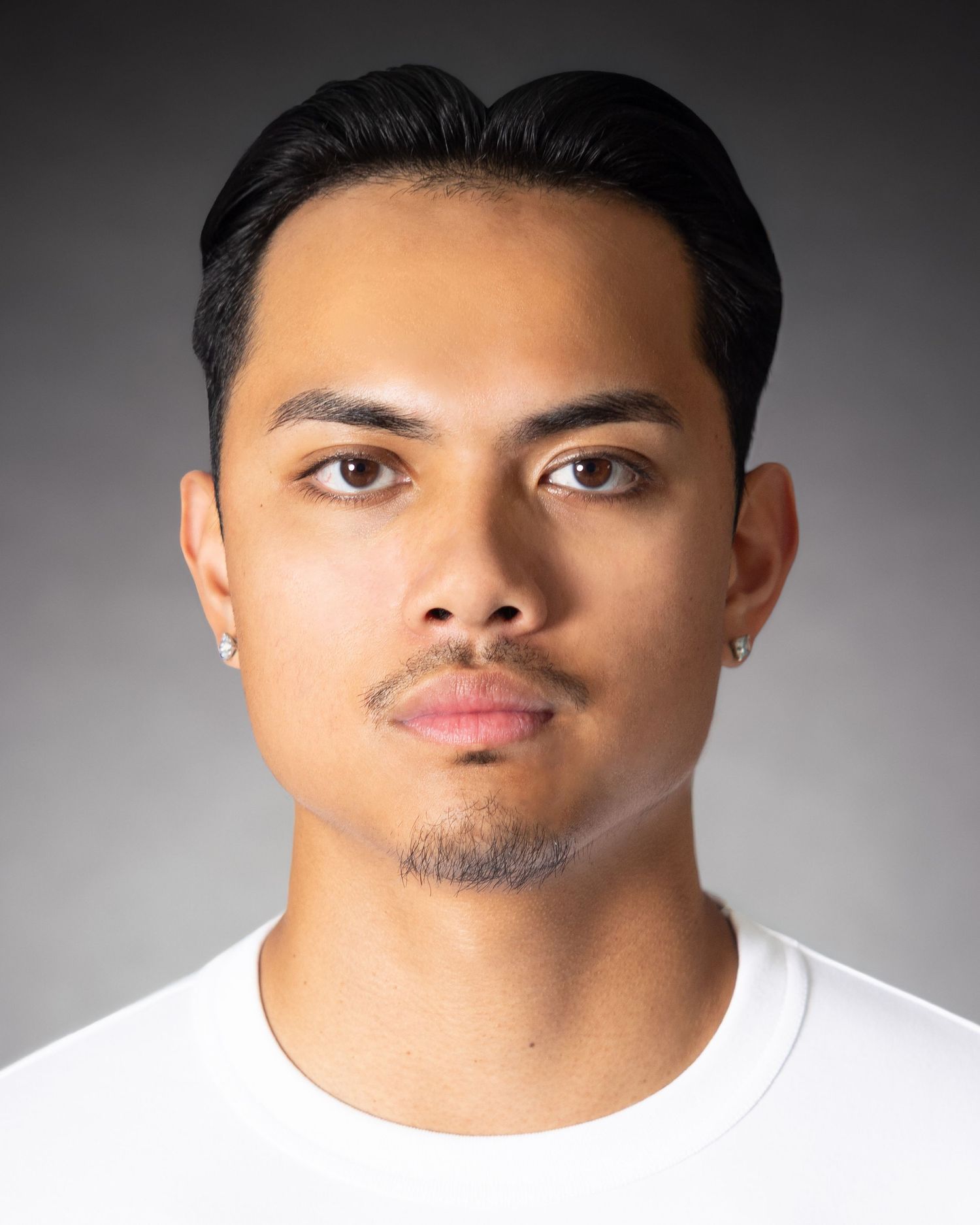
Your primary headshot should provide a clear view of your face, a believable expression and styling that does not overwhelm you. It should also be current. There is no universal expiry date; what matters is whether the photograph still represents the person who will audition or submit the self-tape.
Consider updating your headshot when your appearance has changed noticeably, the photograph feels dated, your current images no longer support the roles being pursued or your agent has asked for a different direction.
Retouching should remain natural. Temporary blemishes, stray hairs and distractions can be addressed, but permanent features and individual characteristics should remain recognizable. The objective is a polished photograph of you—not a beautifully finished surprise for everyone at the audition.
What Is a Commercial Actor Headshot?
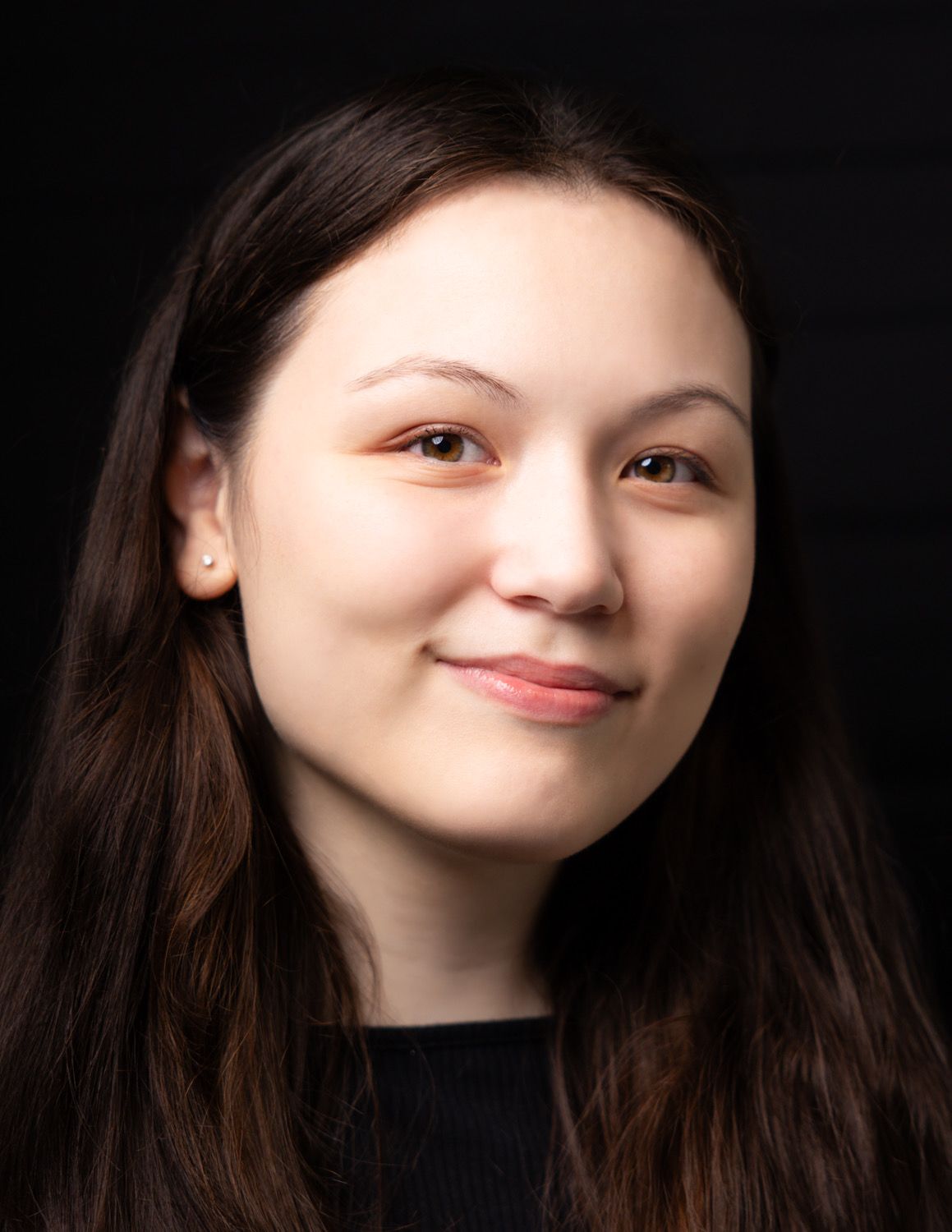
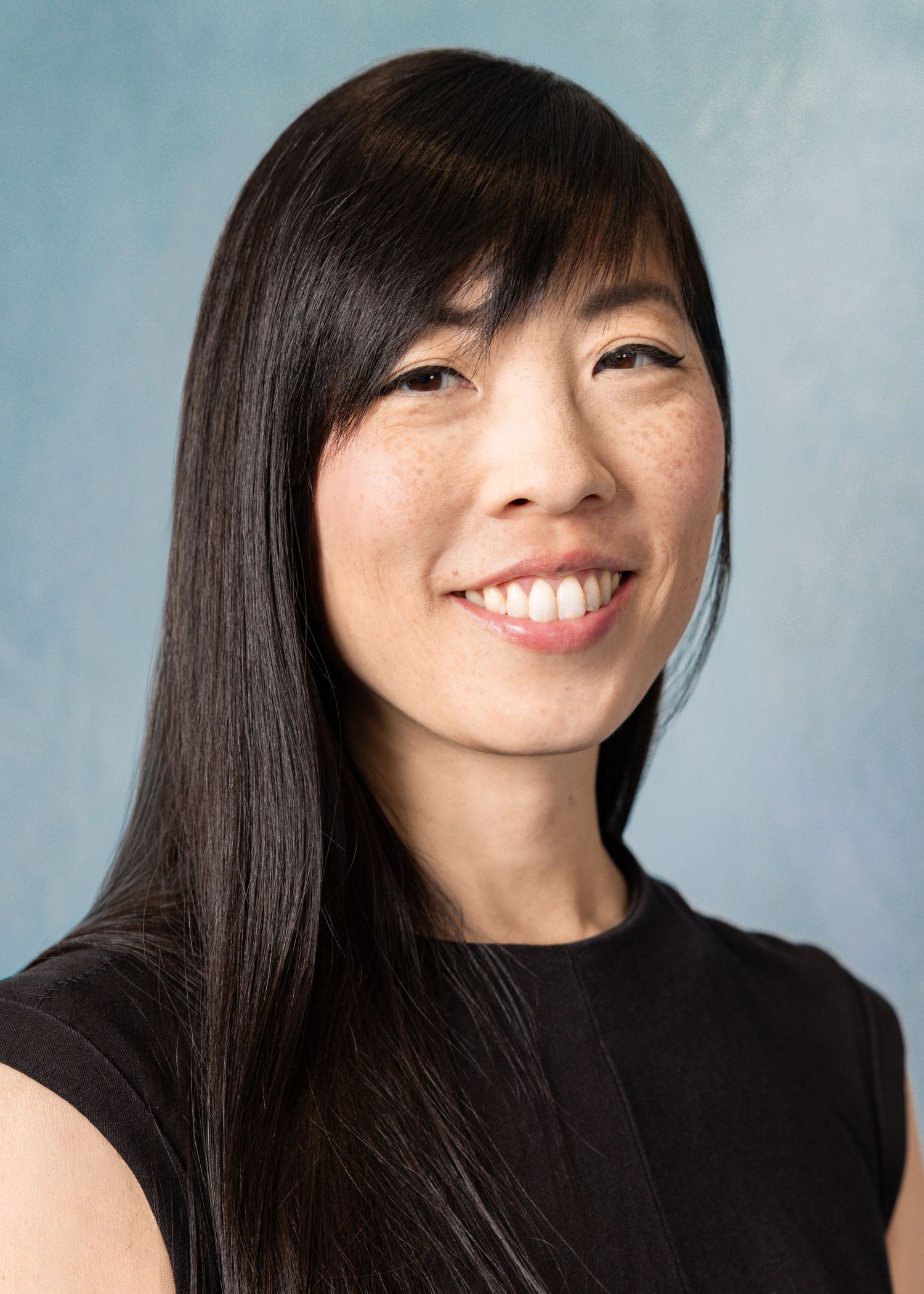
A commercial actor headshot generally presents a warm, open and relatable version of the actor. Brighter lighting and a natural smile or friendly expression may help casting imagine the person in advertising, lifestyle, workplace or family roles.
A commercial image does not have to be relentlessly cheerful. It should communicate believable approachability and connection—not the largest smile available on command and a hope that enthusiasm does the rest.
Simple wardrobe and approachable colours can support that direction without becoming the main event.
What Is a Theatrical Actor Headshot?
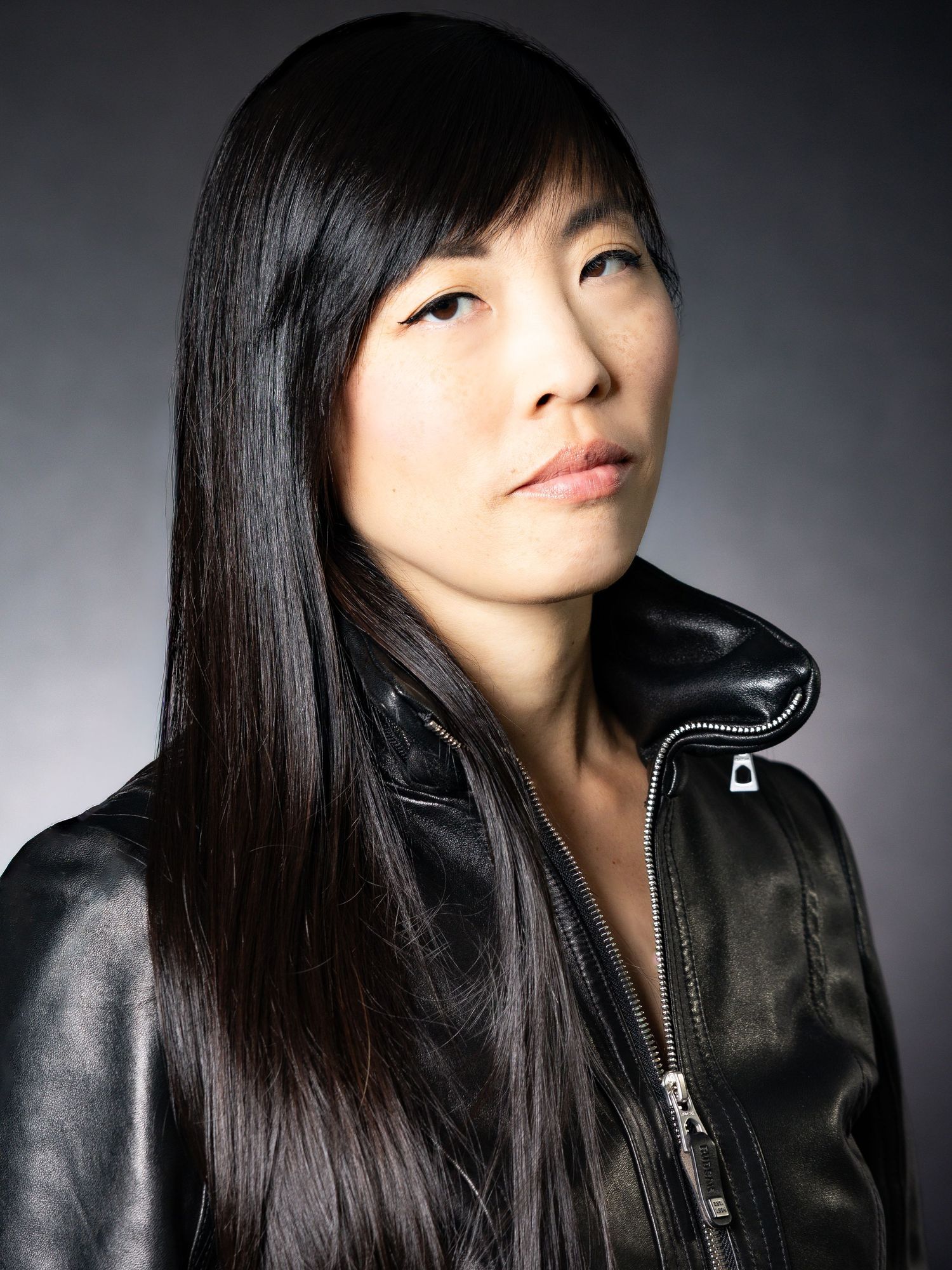
In North American casting, a theatrical headshot usually has a more grounded, nuanced or dramatic quality. The expression may be more contained, with lighting and background choices that support greater depth. Despite the name, “theatrical” commonly refers to images directed toward film and television as well as stage work.
A theatrical headshot should not become a costume photograph. Small changes in the eyes, mouth, posture or energy can suggest more than an obvious “serious actor” expression. You do not need to arrive dressed as the detective, exhausted parent or suspicious neighbour. Leave room for casting to imagine possibilities.
Does Every Actor Need Both Commercial and Theatrical Headshots?
No. Commercial and theatrical headshots are widely used distinctions, but not every actor needs both at every stage.
An emerging actor may need one focused set. Someone being submitted for both commercial and film or television work may need two distinct directions. A working actor with an established range may need additional looks.
If you are represented, ask your agent what they need before booking: which roles they are submitting you for, whether your primary headshot still works, whether you need commercial and theatrical options, and what is missing from your current collection. Specific direction from the person submitting you is more useful than generic advice from the internet, including this article.
What Does a Three-Quarter Actor Photograph Add?
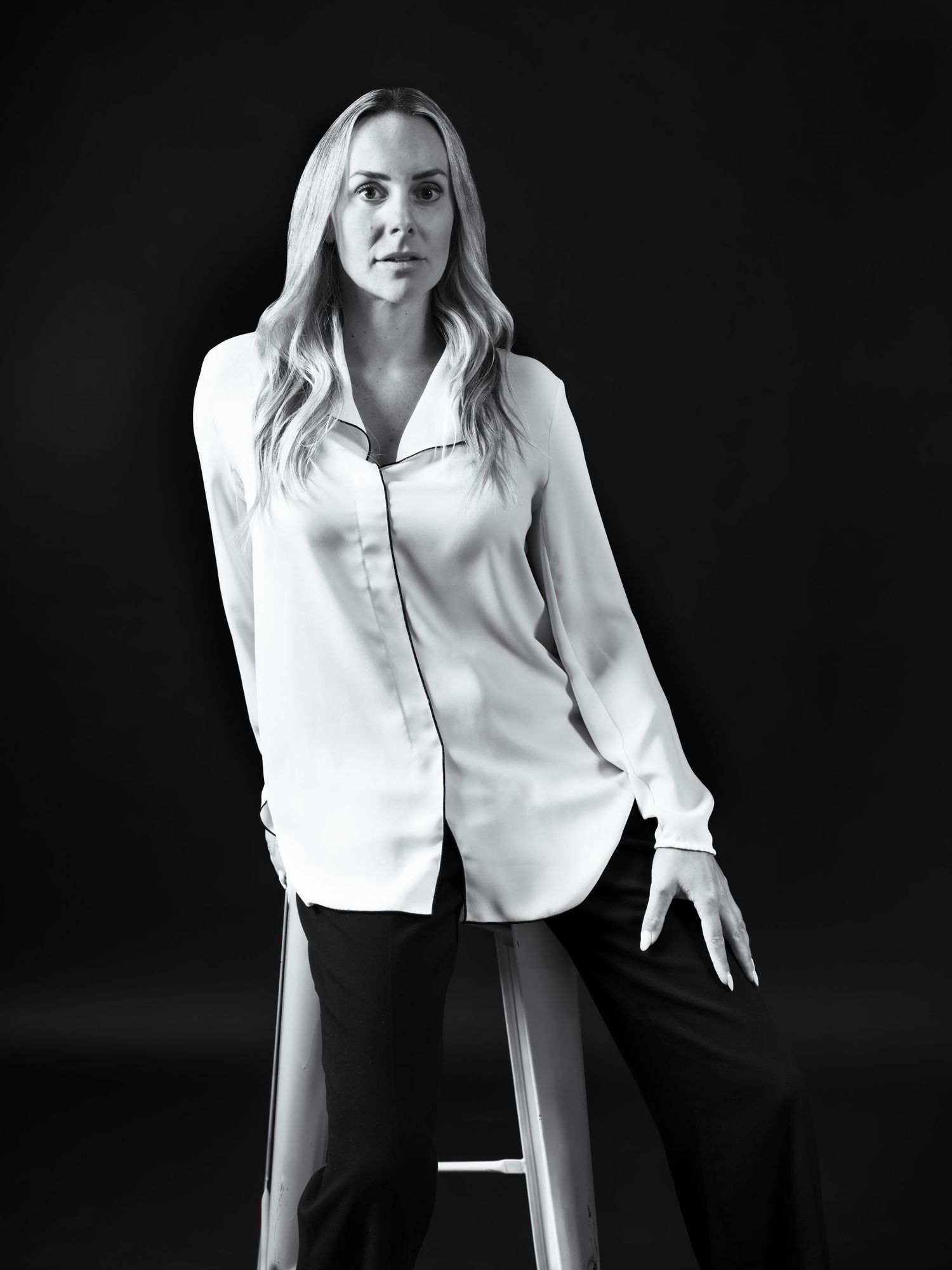
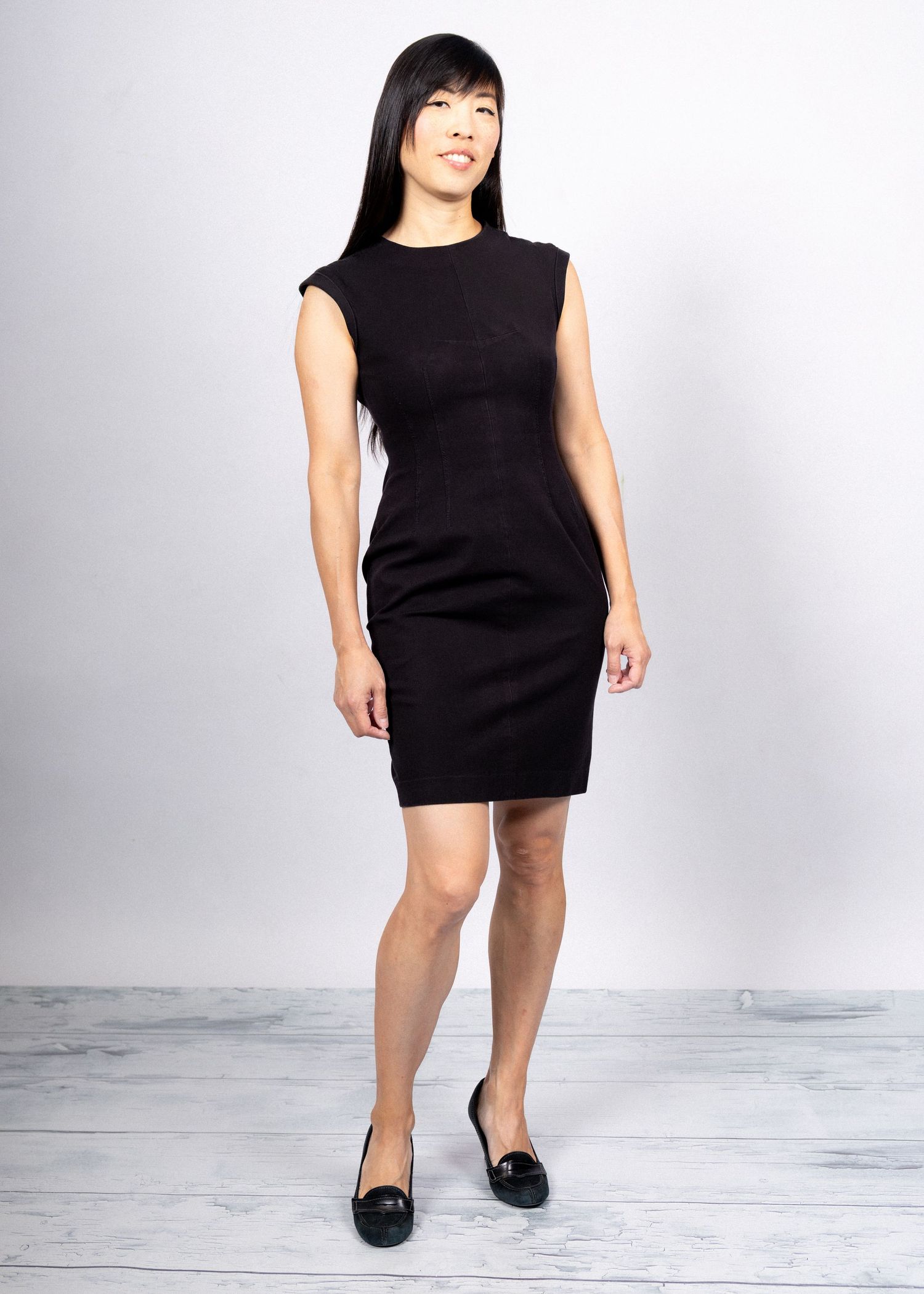
A three-quarter photograph usually shows the actor from approximately the knees or mid-thigh upward. It adds information about build, posture and body language while keeping the expression readable—a useful bridge between a tight headshot and a full-length image, without moving so far back that the expression requires binoculars. It is a practical addition when an actor or agent wants more physical context than a close headshot provides.
When Is a Full-Length Actor Photograph Useful?
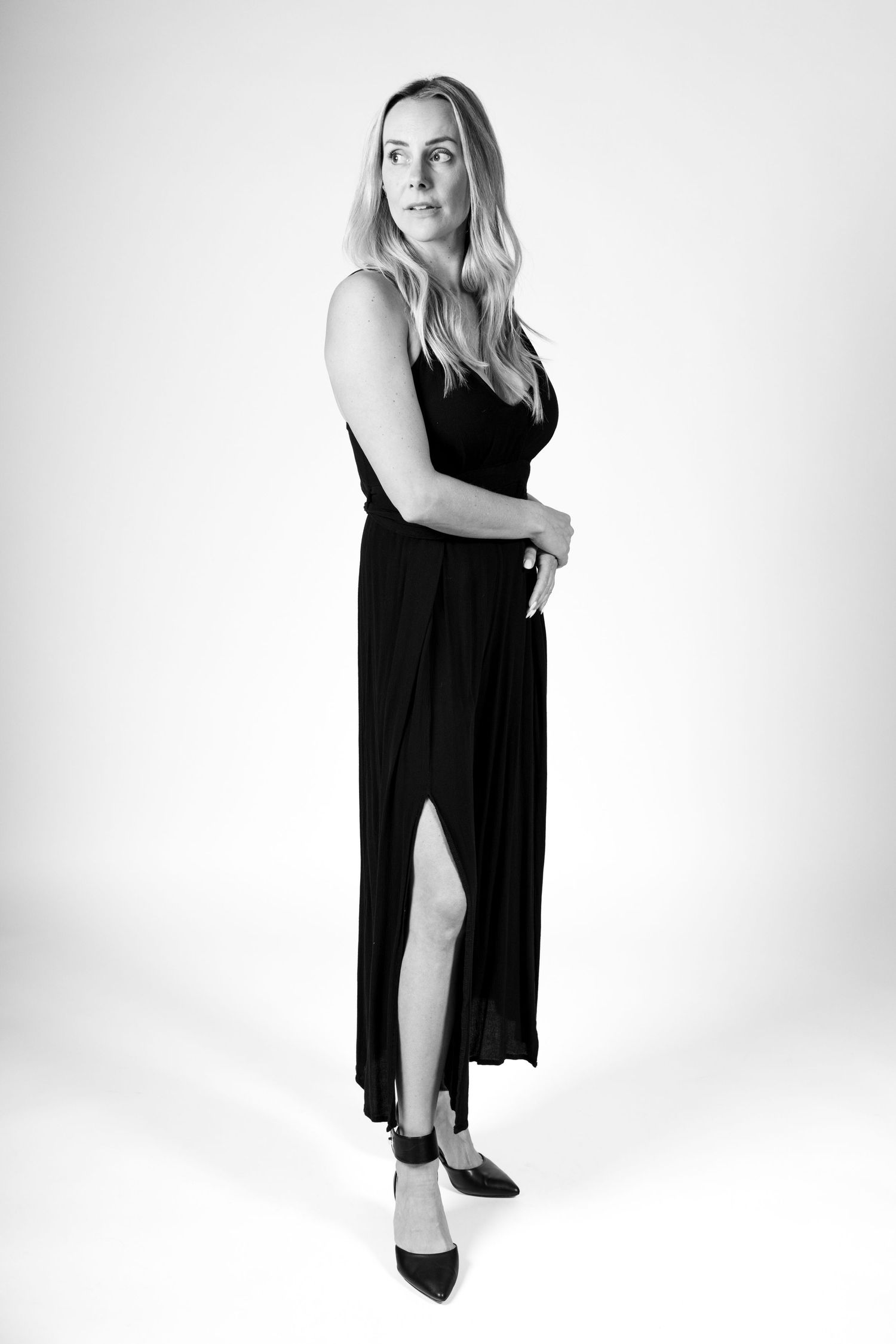
A full-length image shows overall proportions, stance and physical presence. It may be useful on a profile, for roles in which physicality matters or when a casting notice requests a full-body view. Do not confuse a professional full-length portrait with a current snapshot requested for a particular casting. If a production asks for a phone photograph taken that day, a polished studio image may not replace it. Follow the notice’s instructions for clothing, framing, background and file format.
This is one of the least exciting rules in casting and one of the most useful: when instructions are provided, follow the instructions.
How Many Looks Does an Actor Need?
A look should communicate a meaningful casting direction, not merely prove that you own another shirt.
One focused look may be enough for a current starter set. Two distinct looks can support commercial and theatrical directions. A broader collection makes sense when an actor has an established range, agent guidance or several genuine gaps to fill.
Additional images earn their place by adding a different casting direction, expression, energy, framing, mood or believable aspect of the actor’s range. If five photographs all communicate the same thing, they are not five different tools. They are five versions of one tool.
What If You Do Not Have an Agent Yet?
You can still plan a focused session without knowing your entire future casting path. Very few careers have been that cooperative.
Begin with the roles and age range you can credibly portray, whether your immediate goal is commercial or theatrical work, the current instructions for the profile or agency you are approaching, and what is missing from the photographs you already have.
An acting coach may help identify the qualities and role types that appear naturally in your work. Bring useful guidance, but avoid building the session around exaggerated characters. You still need to remain recognizable.
Which Not Normal Photography Actor Session Fits Your Needs?
Not Normal Photography offers three actor photography options from our Willoughby, Langley studio. They are for acting and casting use rather than business marketing. Final images are selected by the photographer and retouched while keeping the actor recognizable.
Actor Essentials: A Focused Starting Set - Actor Essentials is the focused option for one commercial or theatrical direction. It includes one wardrobe look and four final images: two actor headshots, one three-quarter image and one full-length image. It deliberately keeps the background and lighting simple.
Actor Core: Commercial and Theatrical Range - Actor Core creates both commercial and theatrical directions through deliberate changes in expression, body language, wardrobe, background and lighting. It includes up to two wardrobe looks and six final images combining headshots, three-quarter and full-length photographs. Changing a top may create two outfits, but it does not create two casting directions.
Actor Showcase: A Broader Actor Portfolio - Actor Showcase is the broader portfolio option, with three to four planned looks and ten final headshots, three-quarter and full-length images. It allows more room to explore presence, expression and body language. That range should support a real career need—not simply the fact that ten sounds more impressive than six.
You can compare Actor Essentials, Actor Core and Actor Showcase to see the complete session details.
Before You Book: A Three-Step Check
Before choosing a session:
1. Audit what you have. Remove images that no longer resemble you and identify what the remaining photographs already communicate.
2. Confirm what you need. Use your agent’s direction, the intended casting profile or any specific submission instructions.
3. Fill the gaps. Choose the smallest session that creates the missing images without manufacturing a version of you that nobody will meet.
That may mean one focused direction, commercial and theatrical images, or a broader portfolio. It does not mean collecting every possible variation at once.
Not Normal Photography creates actor headshots and portfolio photography from our Langley studio for emerging and working actors throughout Langley, Surrey, Abbotsford, Maple Ridge, Pitt Meadows and the Fraser Valley. Compare our three Actor Photography sessions. If you are unsure which one fits, tell us what you are preparing for, what you already have and any direction from your agent. We can help identify the actual gap.