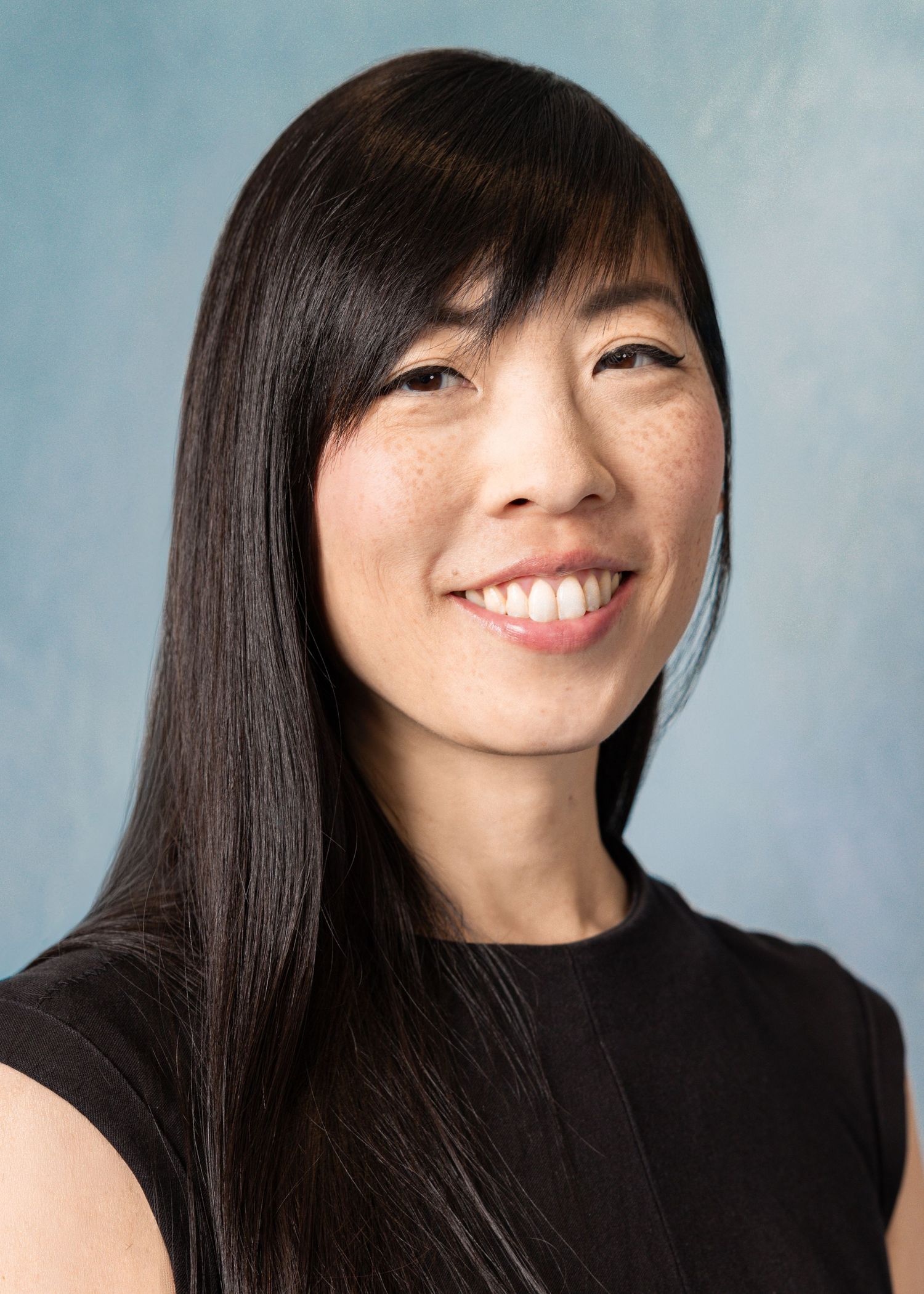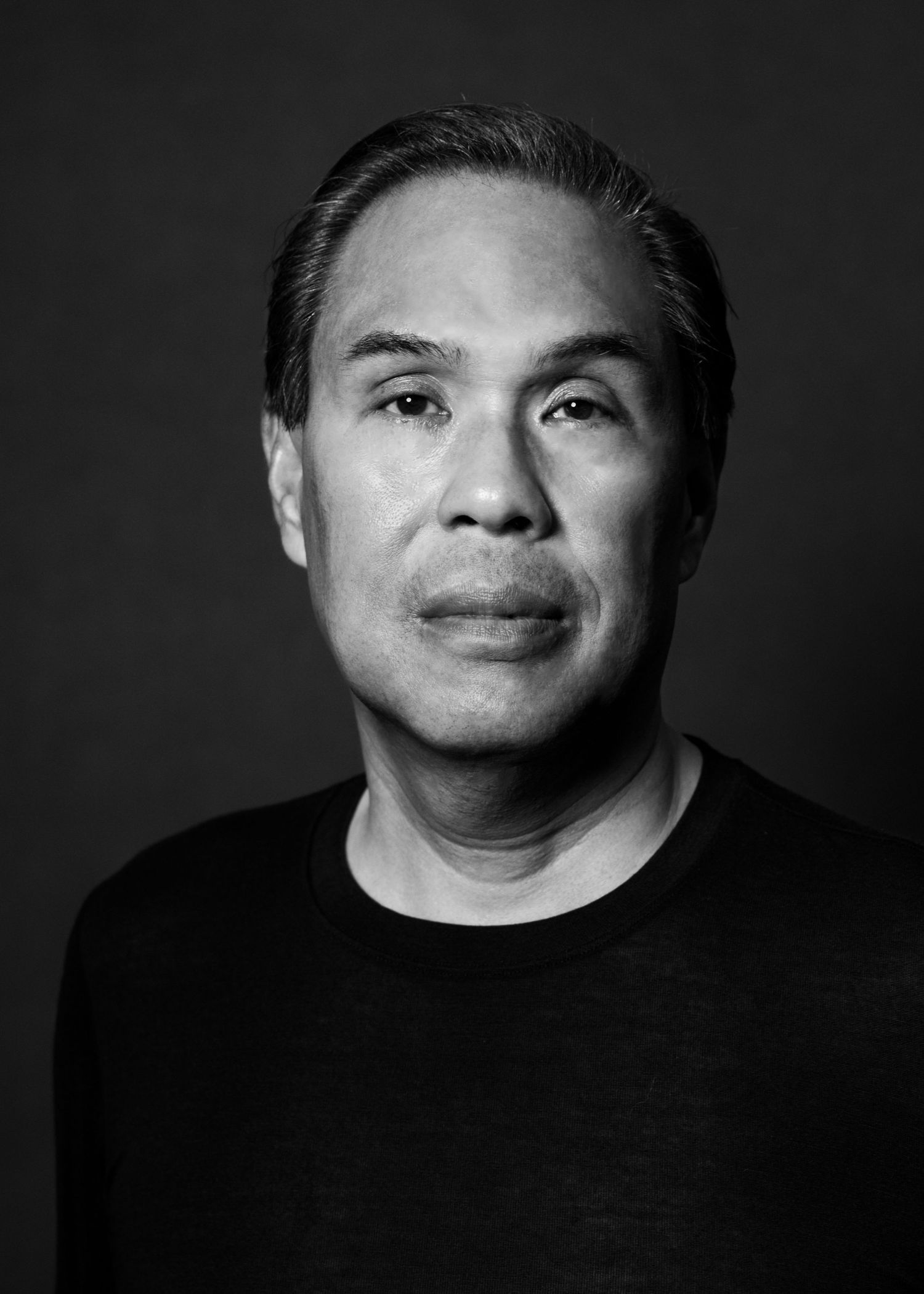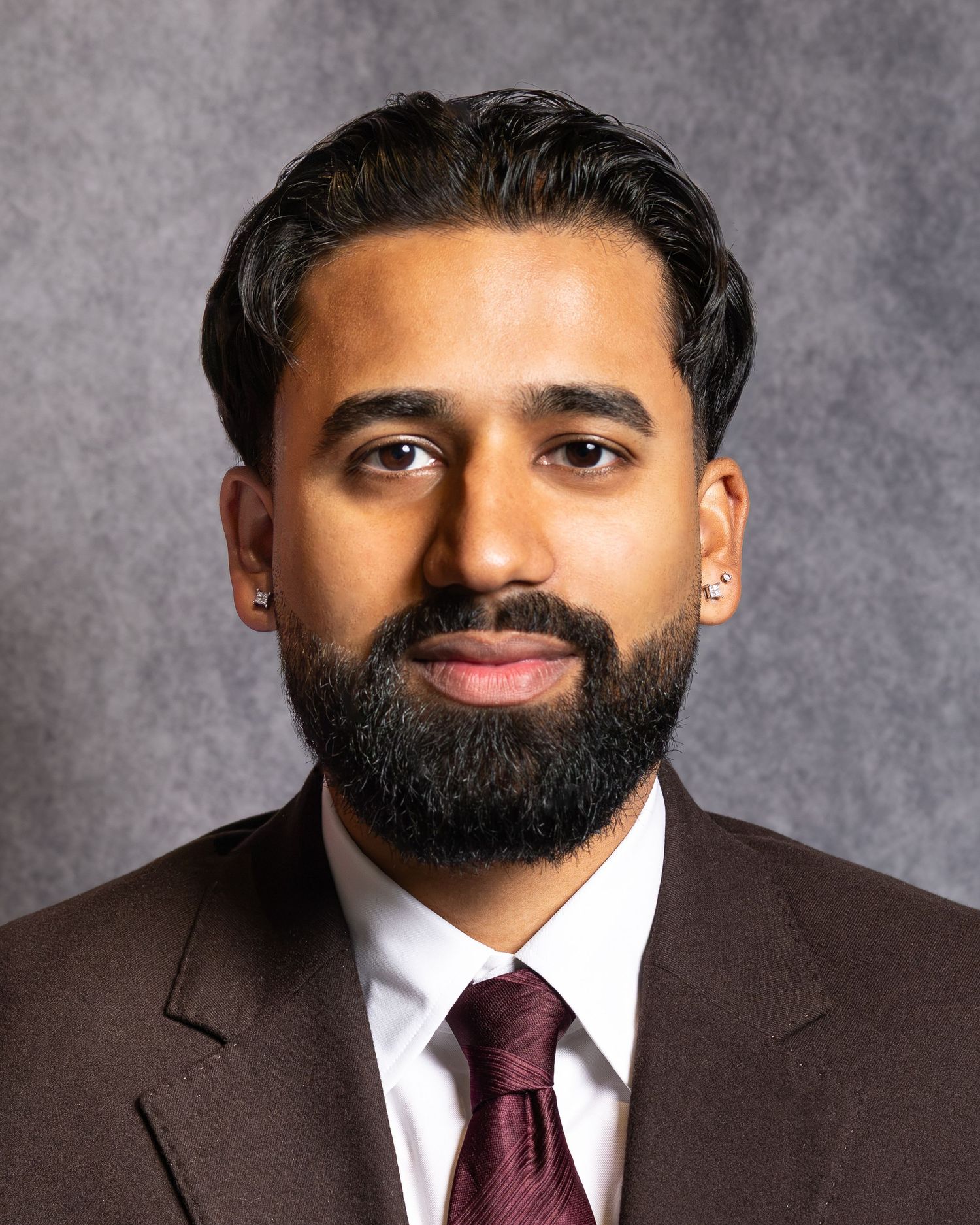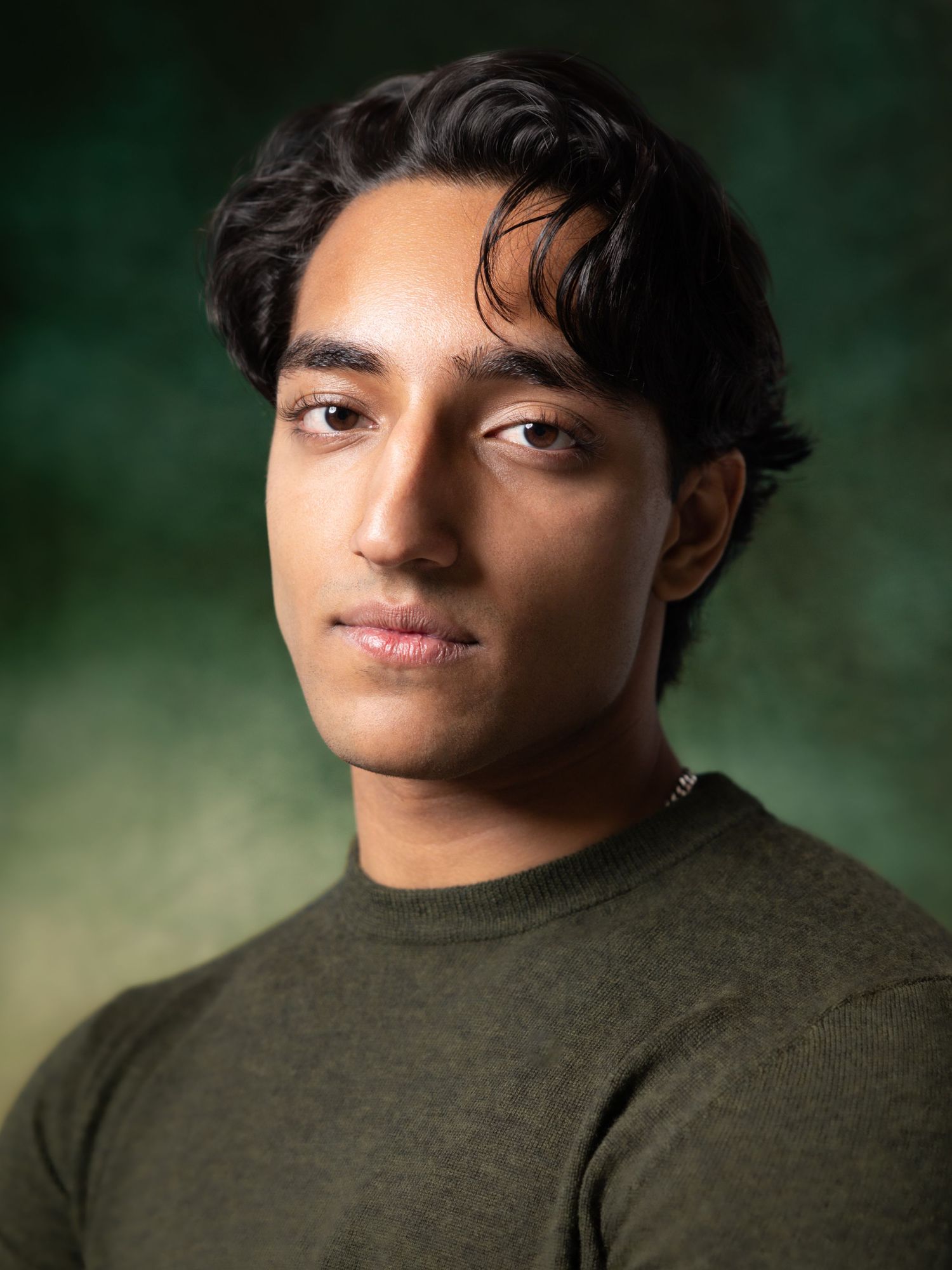
At first glance, a headshot is a headshot. There is a face, some shoulders and, ideally, no one wondering what they are supposed to do with their chin. But professional business headshots, actor headshots and model headshots have very different jobs. The lighting, expression, wardrobe, posing and retouching all need to suit the people who will eventually see the photograph.
A business headshot builds trust. An actor headshot helps someone imagine you in a role. A model headshot shows agencies and clients what they have to work with. They may all feature your face, but one photograph cannot always do everything.
WHAT IS A PROFESSIONAL BUSINESS HEADSHOT?
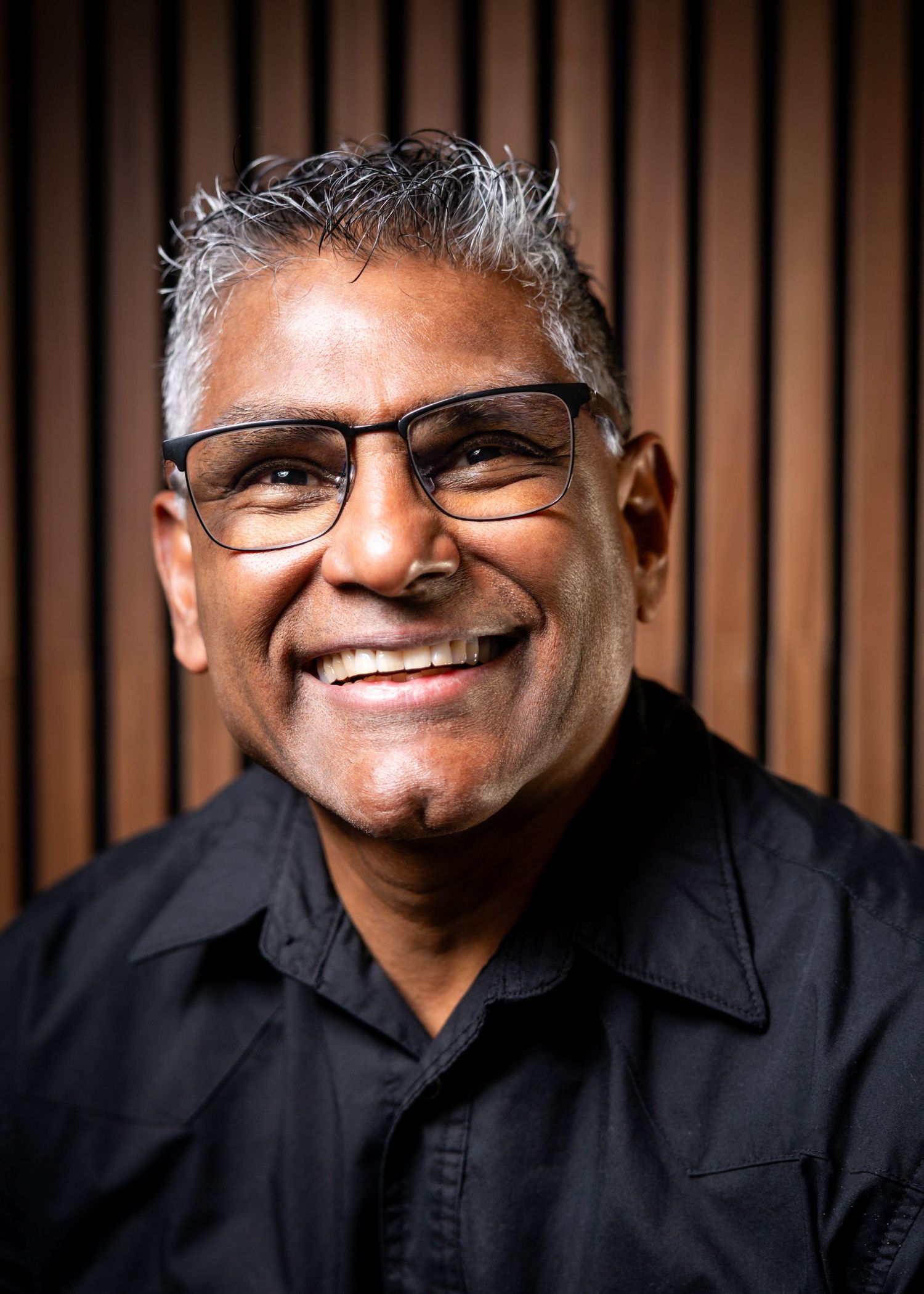
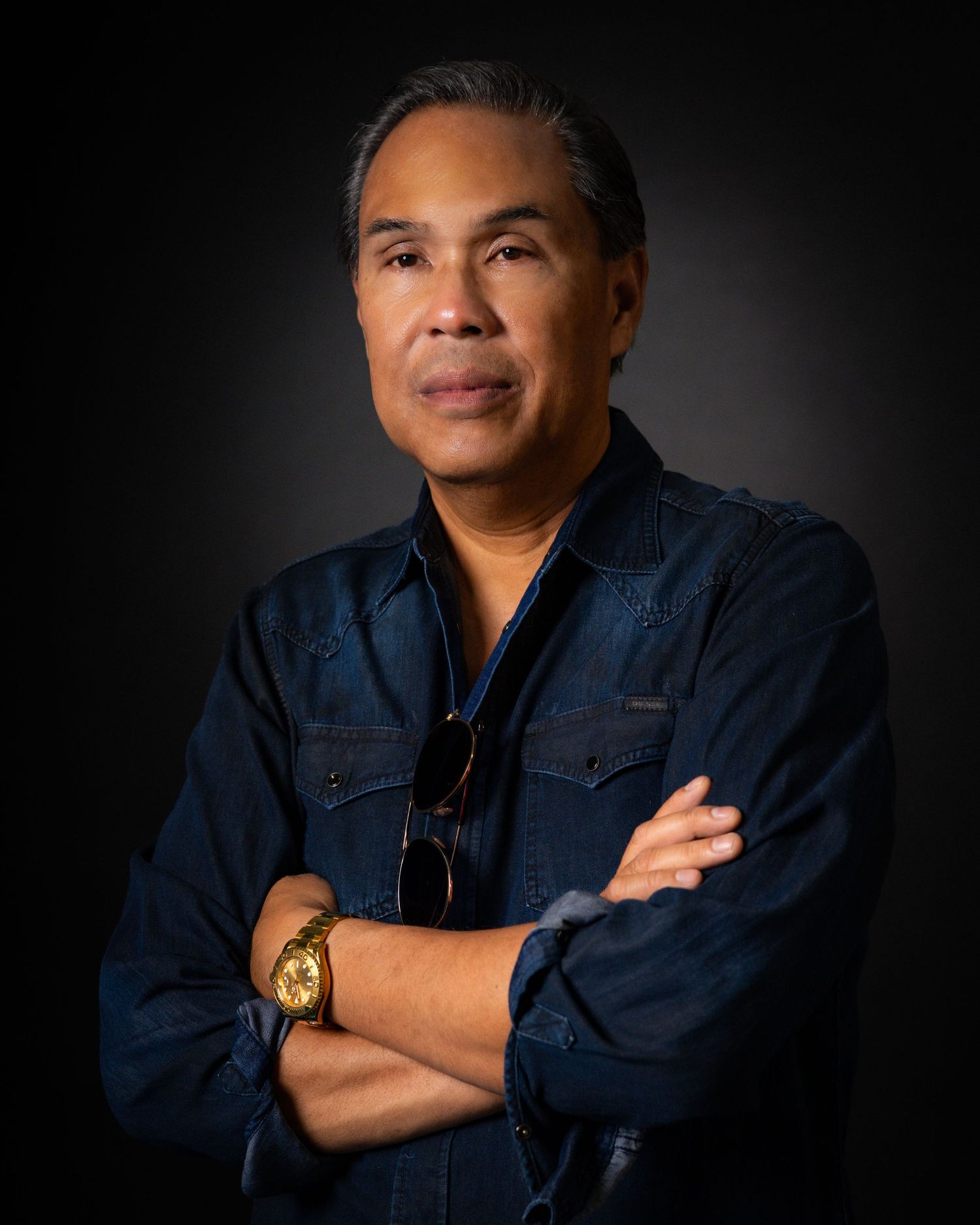
A professional business headshot is usually created for LinkedIn, a company website, a Google Business Profile, speaking engagements, professional directories or marketing materials. Its job is to help you appear:
* Confident
* Approachable
* Professional
* Credible
* Recognizably yourself
The right expression and style depend on your work. A lawyer may want a polished, authoritative portrait. A therapist may need something warmer and more approachable. A creative business owner may want a photograph with a little more personality. Professional does not have to mean stiff, corporate or mildly alarmed. A strong business headshot should still look like you—just on a particularly good and well-rested day.
WHAT IS AN ACTOR HEADSHOT?
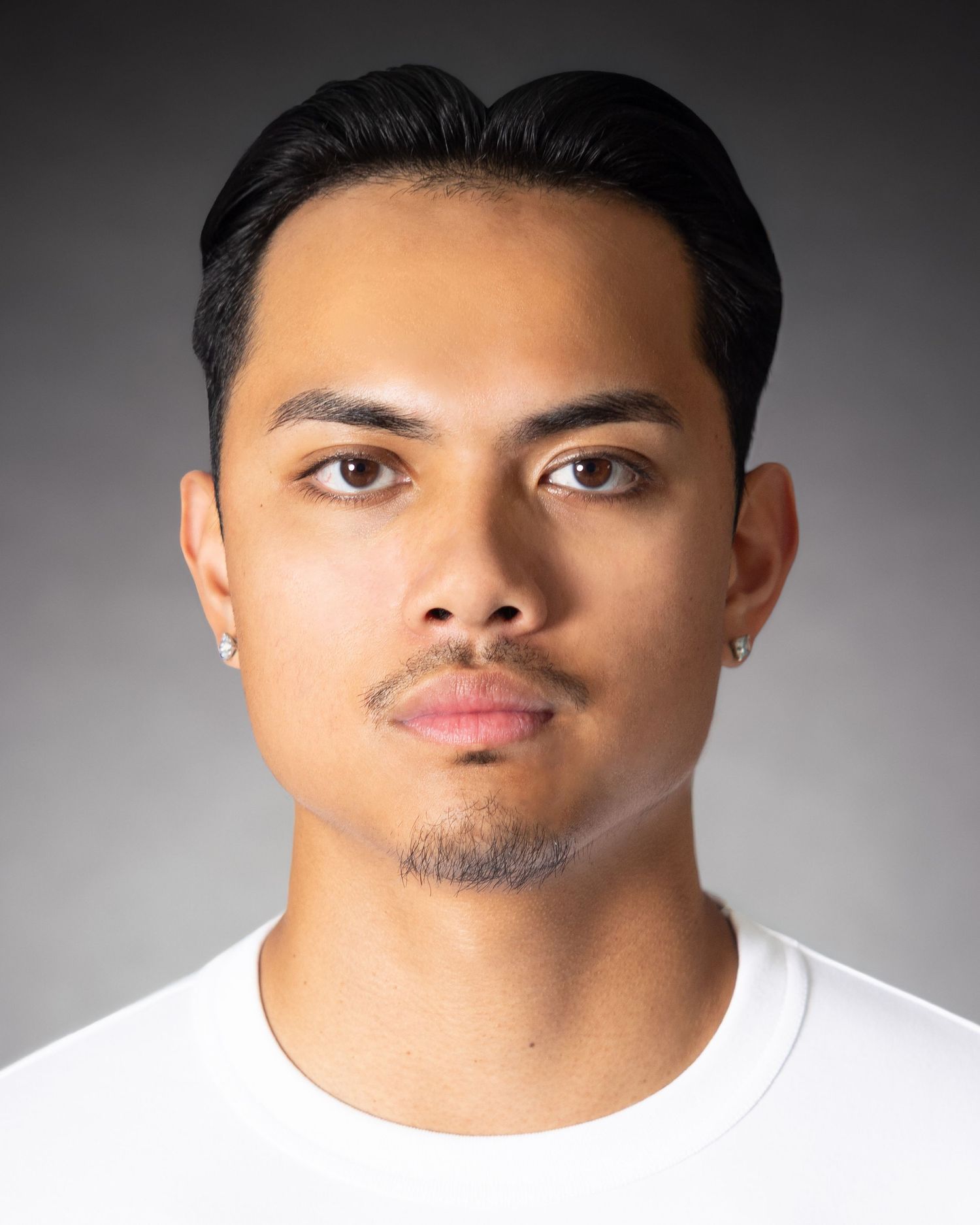
An actor headshot is a casting tool. It needs to help a casting director quickly understand what you look like, what you naturally communicate and which roles you might suit. That means your actor headshots must be current and accurate. Skin should retain its natural texture, permanent features should remain visible and retouching should never change the way you actually look. If your headshot enters the room several minutes before the person it supposedly represents, something has gone wrong. Strong actor headshot photography usually includes:
* Clear, accurate facial detail
* Natural skin texture
* Strong connection through the eyes
* Carefully directed expressions
* Simple, non-distracting clothing
* Lighting that supports the intended look
* Clean backgrounds
* Realistic professional retouching
Actors will often benefit from having at least two distinct looks. COMMERCIAL ACTOR HEADSHOTS are generally warmer, brighter and more approachable. They can work well for commercials, lifestyle campaigns, comedy and friendly or relatable roles. Think trustworthy neighbour, enthusiastic employee or the person in a commercial who is remarkably excited about a new type of laundry detergent. 😉 THEATRICAL ACTOR HEADSHOTS are often more cinematic, serious or emotionally layered. They are commonly used for film, television, theatre and dramatic casting. That does not mean you need to look miserable. The goal is to create presence, depth and enough intrigue to make someone want to see what else you can do. The difference between commercial and theatrical expressions can be surprisingly subtle. That is why expression coaching matters. A tiny change around the eyes or mouth can completely change the character a photograph suggests.
WHAT IS A MODEL HEADSHOT?
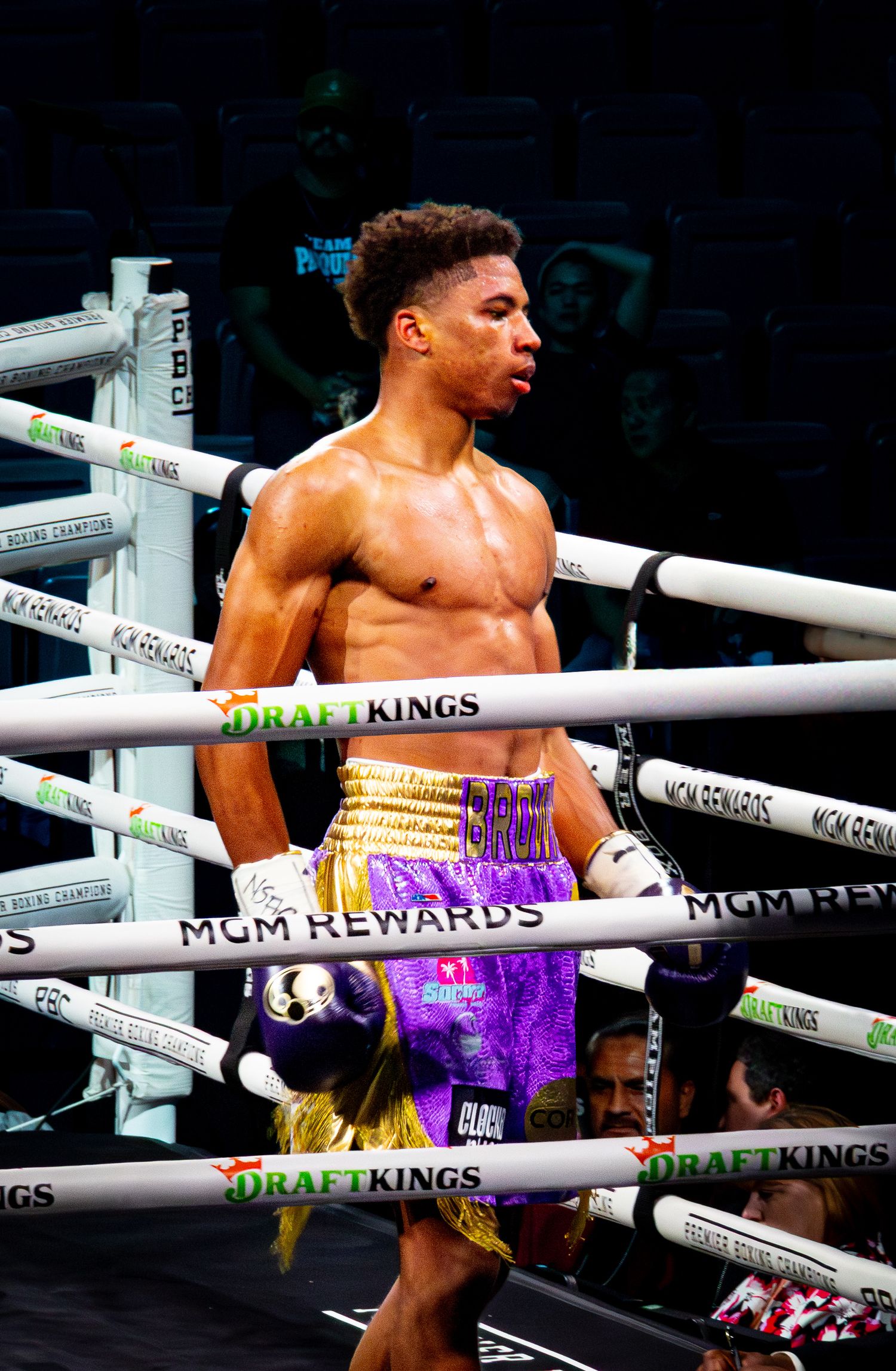
A model headshot is created for agencies, casting professionals, designers, brands and commercial clients. Rather than suggesting a particular character, it should clearly show the model’s appearance, facial structure and ability to work with expression, posing and light. A strong model headshot may highlight:
* Facial features and bone structure
* Skin and hair
* Expression and versatility
* How the model responds to light
* Suitability for a particular market
* The model’s natural presence in front of the camera
The style depends on the kind of modelling work being pursued. Commercial model headshots are often friendly, natural and relatable. Fashion and editorial photographs may use stronger angles, more restrained expressions or specialized creative lighting. Beauty headshots are typically tighter and place greater attention on skin, makeup and facial detail. Whichever direction we take, the finished photograph still needs to represent the model honestly. Agencies and clients want to see the person who will actually arrive—not a digitally reconstructed distant relative.
ARE MODEL HEADSHOTS THE SAME AS MODEL DIGITALS? No. They serve different purposes. Model digitals, sometimes called polaroids, are simple photographs designed to document a model’s current appearance with very little styling. They usually include:
* Simple, fitted clothing
* No makeup
* Natural hair
* Minimal posing
* Clean, uncomplicated lighting
* Front, profile and three-quarter views
* Full-length photographs
* Little or no retouching
A model headshot can be more polished and expressive. It may include professional styling, more intentional posing and carefully shaped light while still presenting the model accurately. Digitals show what you currently look like. Professional model headshots show what you can bring to the camera. Depending on where you are submitting, you may need one or both.
THE DIFFERENCE COMES DOWN TO THE AUDIENCE
The easiest way to understand the difference is to think about who will be looking at the photograph—and what they need to see. A potential client looking at a business headshot is deciding whether they would trust or hire that person. A casting director is deciding whether they can imagine an actor in a particular role. An agency or commercial client is looking at whether a model could suit the product, look or concept they have in mind. Once we know who the photograph needs to speak to, decisions about lighting, background, expression and styling become much clearer. One pleasant photograph might technically work everywhere, but that does not mean it is doing any of those jobs particularly well.
HOW OFTEN SHOULD HEADSHOTS BE UPDATED?
Your headshot should look like the person who is going to walk through the door. Actors and models should update their photographs when there has been a noticeable change in their hair, appearance, age range or casting direction. Business professionals may need new headshots when their role, brand or appearance changes—or when their current photograph has begun quietly lying about what decade it was taken in. If people regularly tell you that you look different from your photograph, it is probably time.
CHOOSING THE RIGHT HEADSHOT SESSION
Some people need photographs for more than one part of their life. An actor who also works in business may need casting headshots and a separate LinkedIn photograph. A commercial model may need clean agency digitals as well as more expressive portfolio images. We start by asking where the photographs will be used, who will see them and what they need to communicate. Sometimes one type of session will cover everything. Sometimes it makes more sense to create separate looks rather than expecting one photograph to perform several completely unrelated jobs.
PROFESSIONAL HEADSHOT PHOTOGRAPHY IN LANGLEY
Not Normal Photography creates professional business headshots, actor headshots, model headshots and model portfolio photography in our purpose-built Langley studio. We work with professionals, actors and models from Langley, Surrey, Abbotsford, Maple Ridge and throughout the Fraser Valley.
The studio atmosphere is relaxed, but the decisions behind each photograph are deliberate. We help determine what your images need to communicate, then use the lighting, expression and overall approach that best suit their purpose. You do not need to arrive knowing exactly what kind of headshot you require. That is something we can work out together. Because the right headshot should do more than show people what you look like. It should give them a reason to look twice.
Need new business, actor or model headshots? Book your session with Not Normal Photography and receive photographs created around your industry, goals and how they will actually be used.