A Great Photograph Is Not Always a Useful Talent Photograph
A photograph can be beautifully lit, carefully edited and genuinely impressive—and still do very little for an actor or model’s career. That sounds contradictory, but talent photography has a different job from ordinary portrait photography.
A portrait can exist simply because someone loves it. A talent photograph needs to help an agent, casting director, producer, designer or commercial client make a professional decision. They are not only looking at whether the person is attractive. They need to understand who the person is, how accurately the image represents them and where they might fit.
At our Langley photography studio, we have been developing services specifically for actors and models, and one thing has become very clear: the most impressive photograph is not always the most useful one.
Sometimes the right image is the clean headshot that shows an actor’s expression clearly. Sometimes it is the simple model digital with almost no styling. Sometimes it is a more creative photograph that demonstrates how well the person can carry an idea.
The important question is not just, “Is this a good photograph?” It is, “What does this photograph help someone see?”
Actors and Models Need Different Photographs
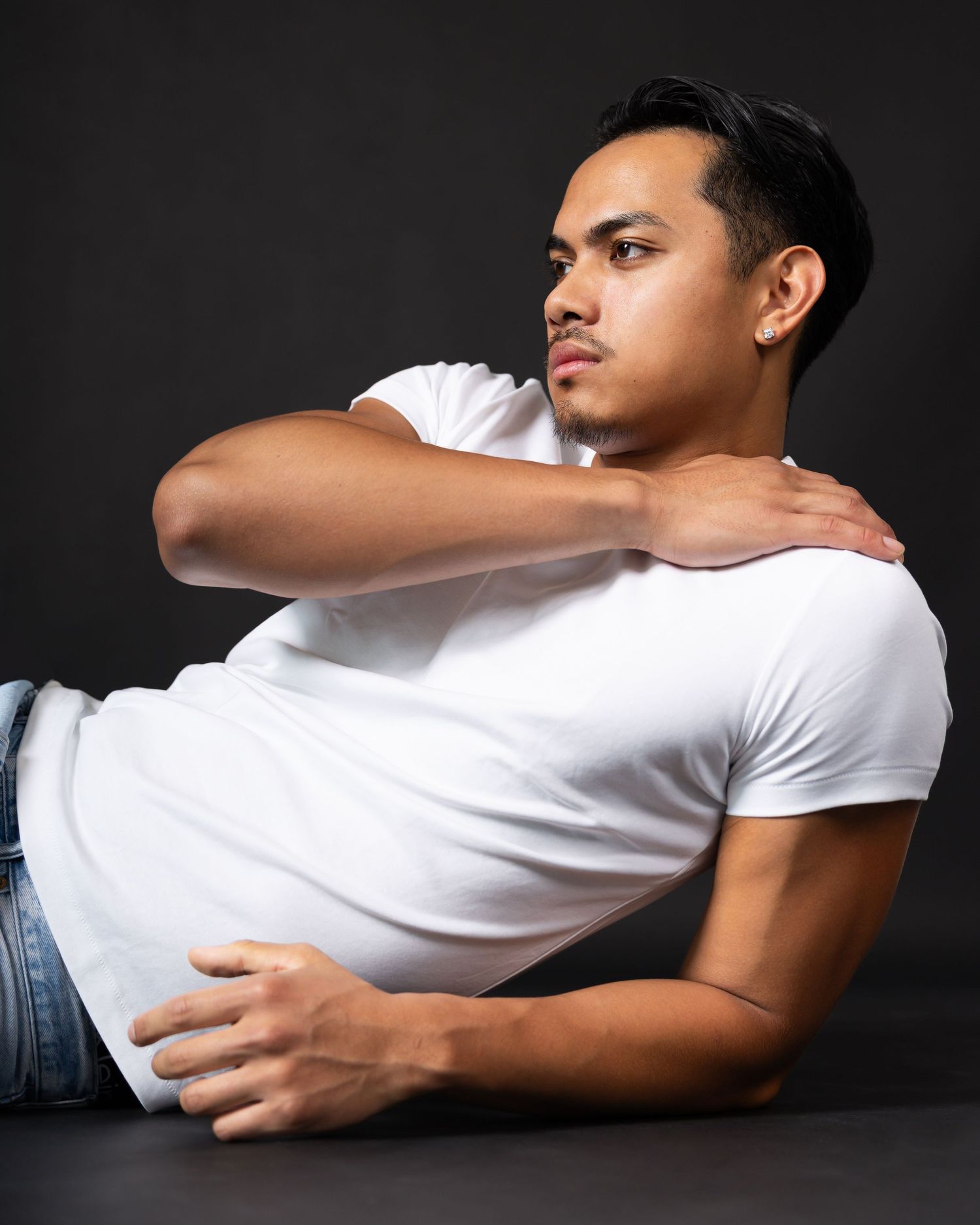
Actors and models are often grouped together because both need professional photographs. But they are being assessed differently. For an actor, the face and expression carry much of the information. A casting professional wants to see a current, recognizable person and imagine the roles they could believably play. For a model, the photographs may need to show natural appearance, proportions, movement, posing ability and adaptability across different types of work.
There is some overlap, but an actor headshot is not a model digital, and a polished model portfolio is not an actor’s casting package. Trying to make one set of photographs perform every job usually produces a collection that does none of them particularly well.
What Should an Actor Headshot Show?
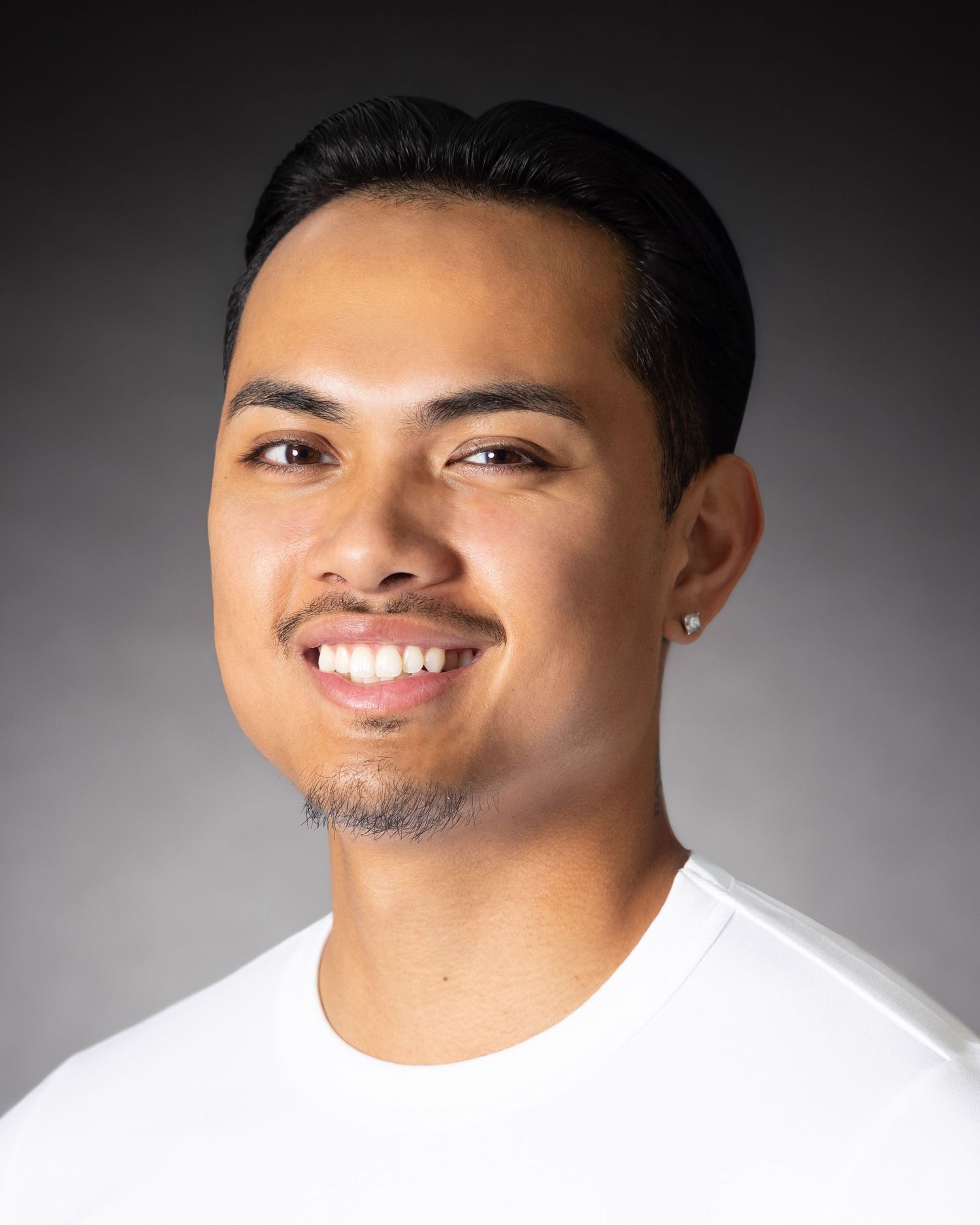
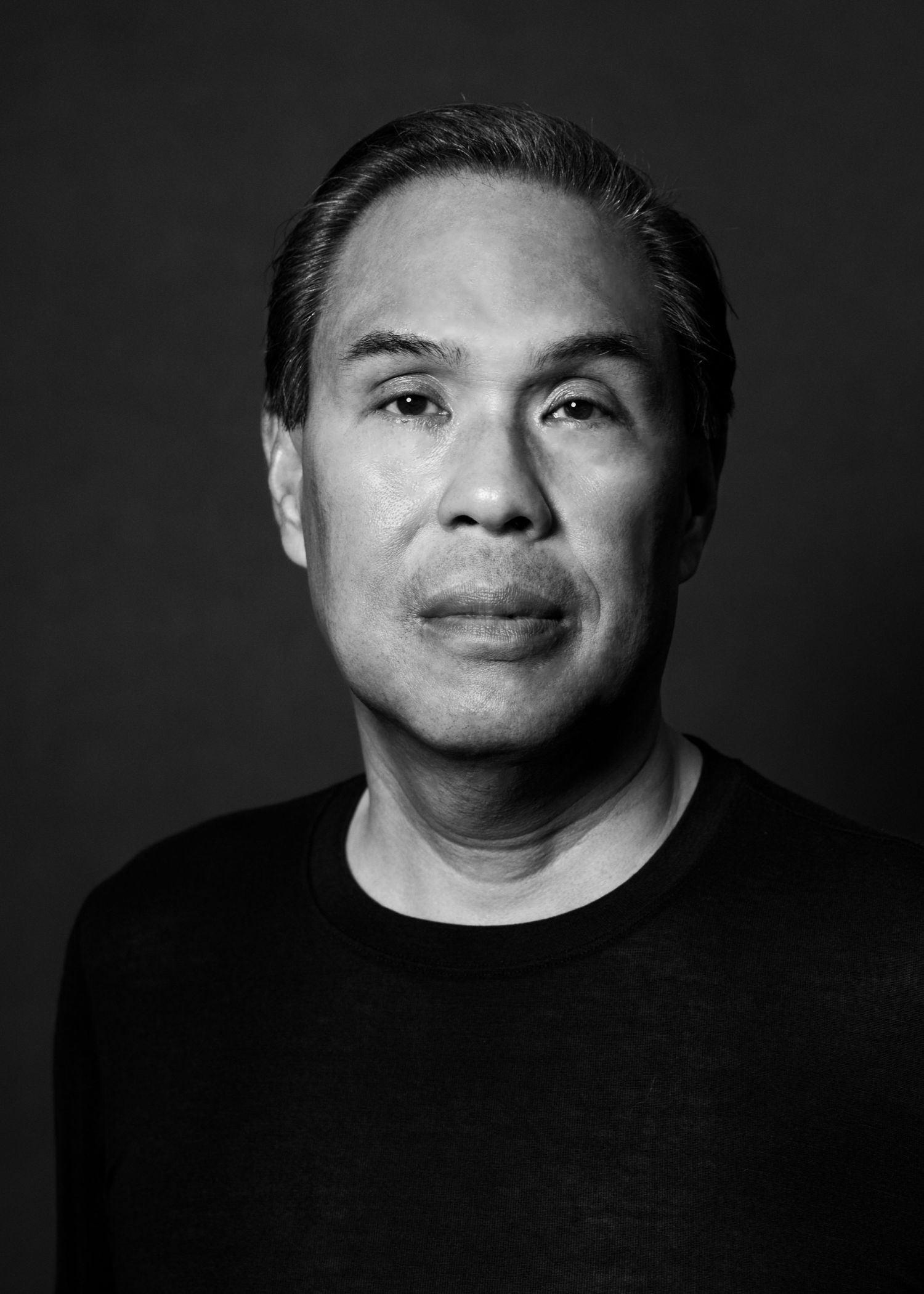
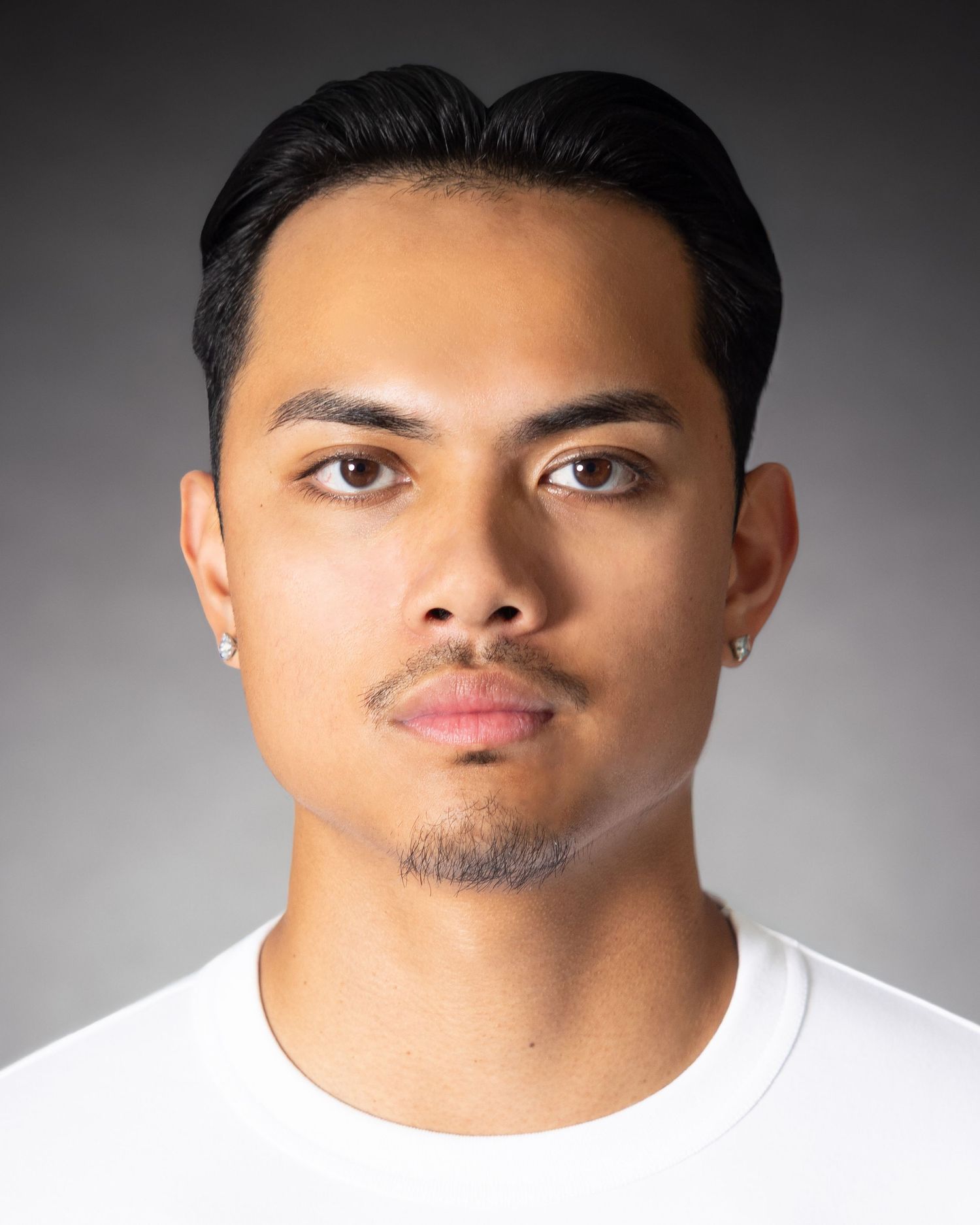
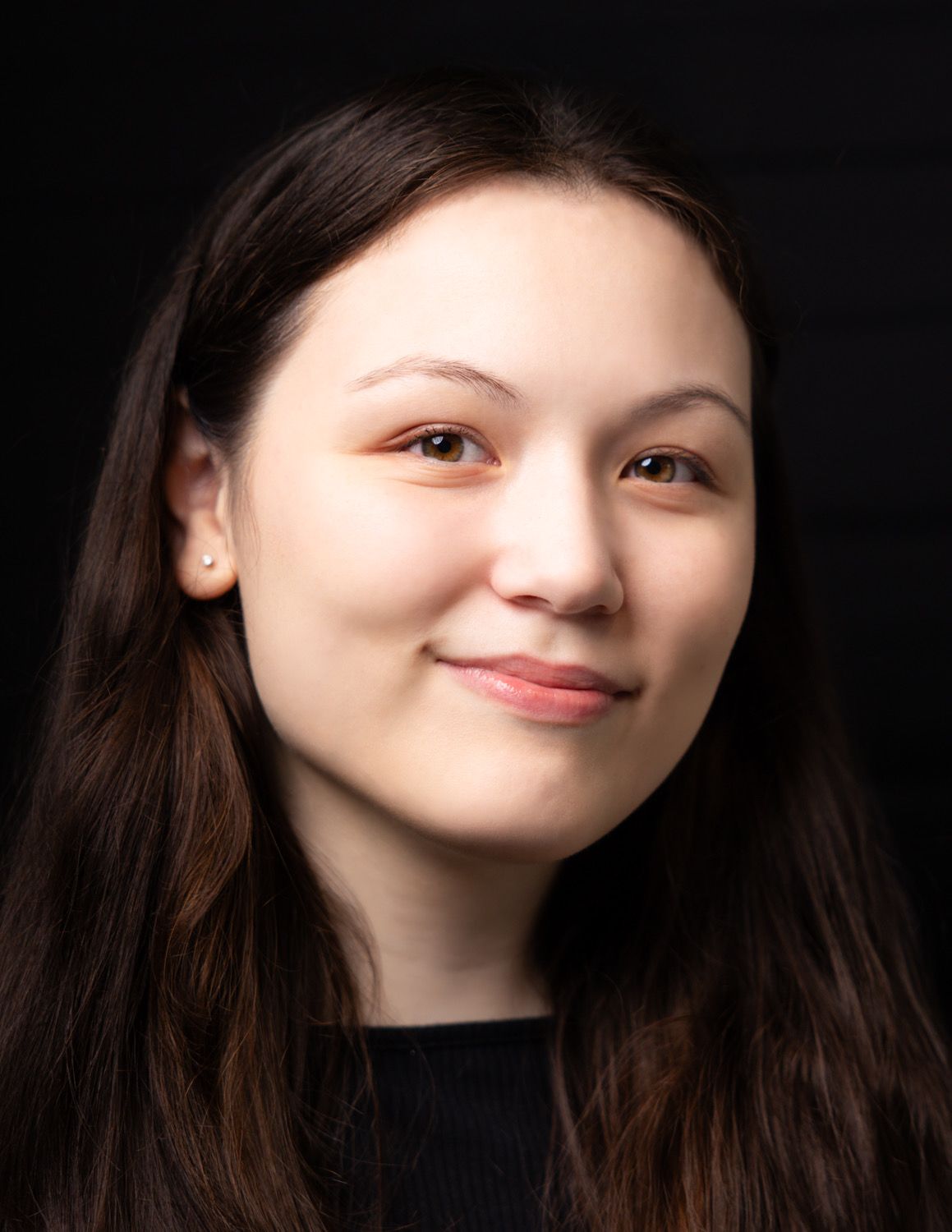
A good actor headshot should look like the actor on a very good day—not like a distant relative with suspiciously flawless skin. Accuracy matters. Casting professionals need to recognize the person who arrives at the audition or appears on screen.
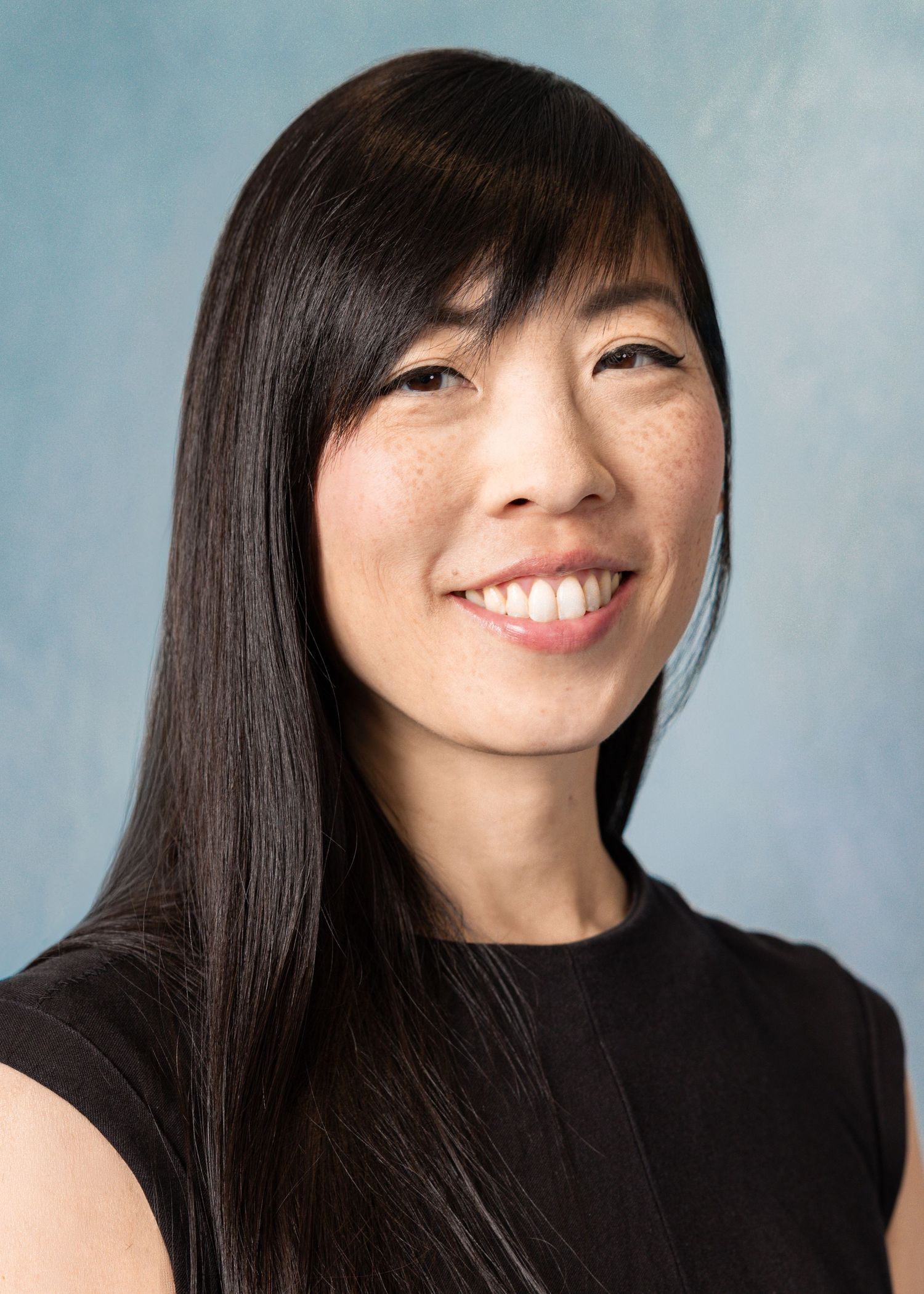
But accuracy alone is not enough. An actor headshot should also suggest something: warmth, authority, vulnerability, humour, intensity, trustworthiness or unpredictability. The right qualities will differ from one actor to another. This is why one generic smiling photograph rarely covers everything.
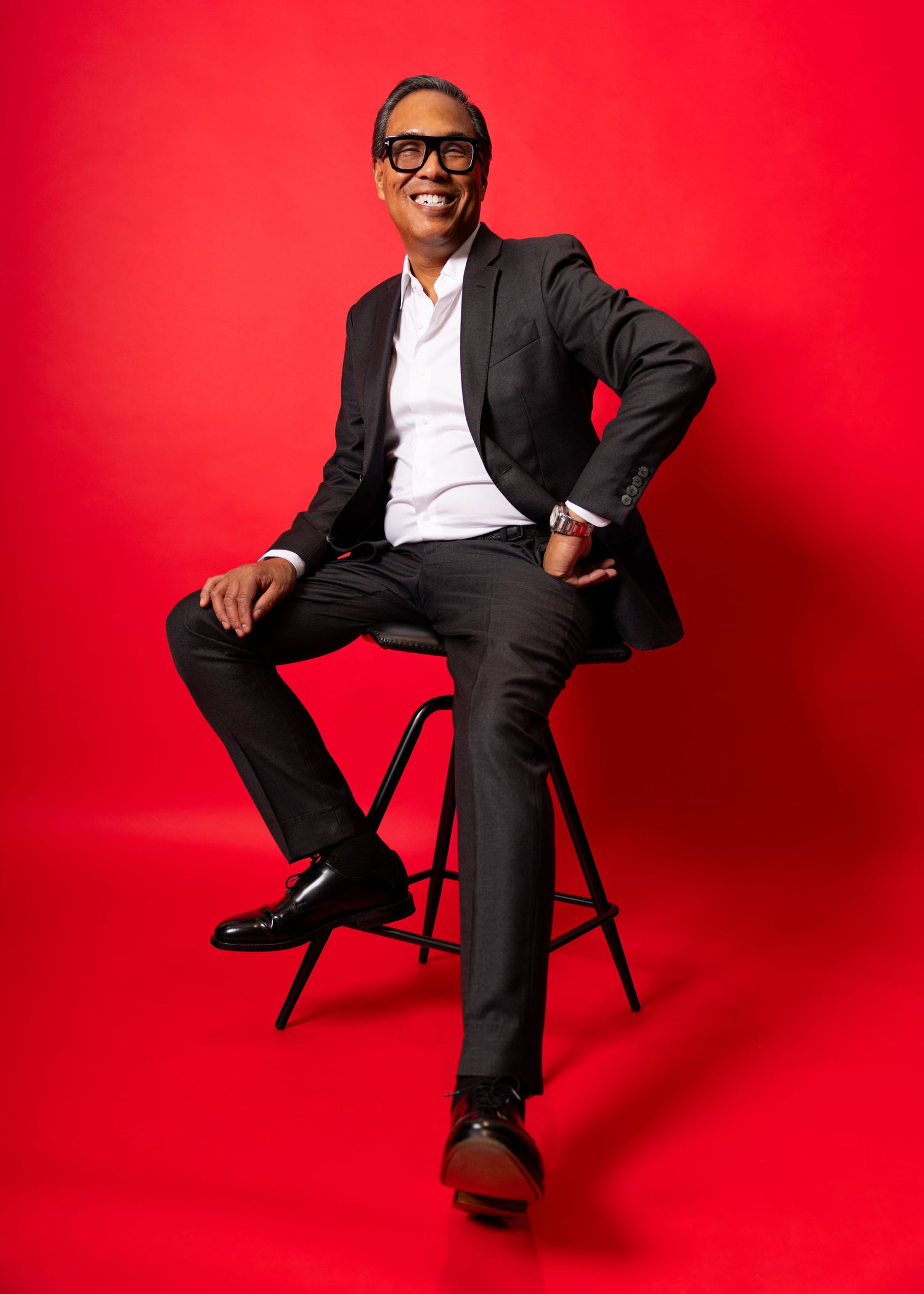
Commercial actor headshots generally need to feel open, relatable and approachable. They can help someone imagine the actor in advertising, lifestyle, corporate or family-focused roles. Theatrical actor headshots may carry more intensity, emotional depth or dramatic possibility. They should still look like the actor while allowing casting professionals to imagine them in more complex film, television or stage roles.
Neither approach requires a collection of exaggerated characters. Wearing glasses does not automatically make someone “the intelligent one,” and adding a leather jacket does not instantly produce a convincing criminal mastermind. If only casting were that efficient.
Believable range comes from controlled changes in expression, energy, lighting, styling and presence. It does not mean creating so many different versions that no one knows which person will arrive.
Why Are Model Digitals So Simple?
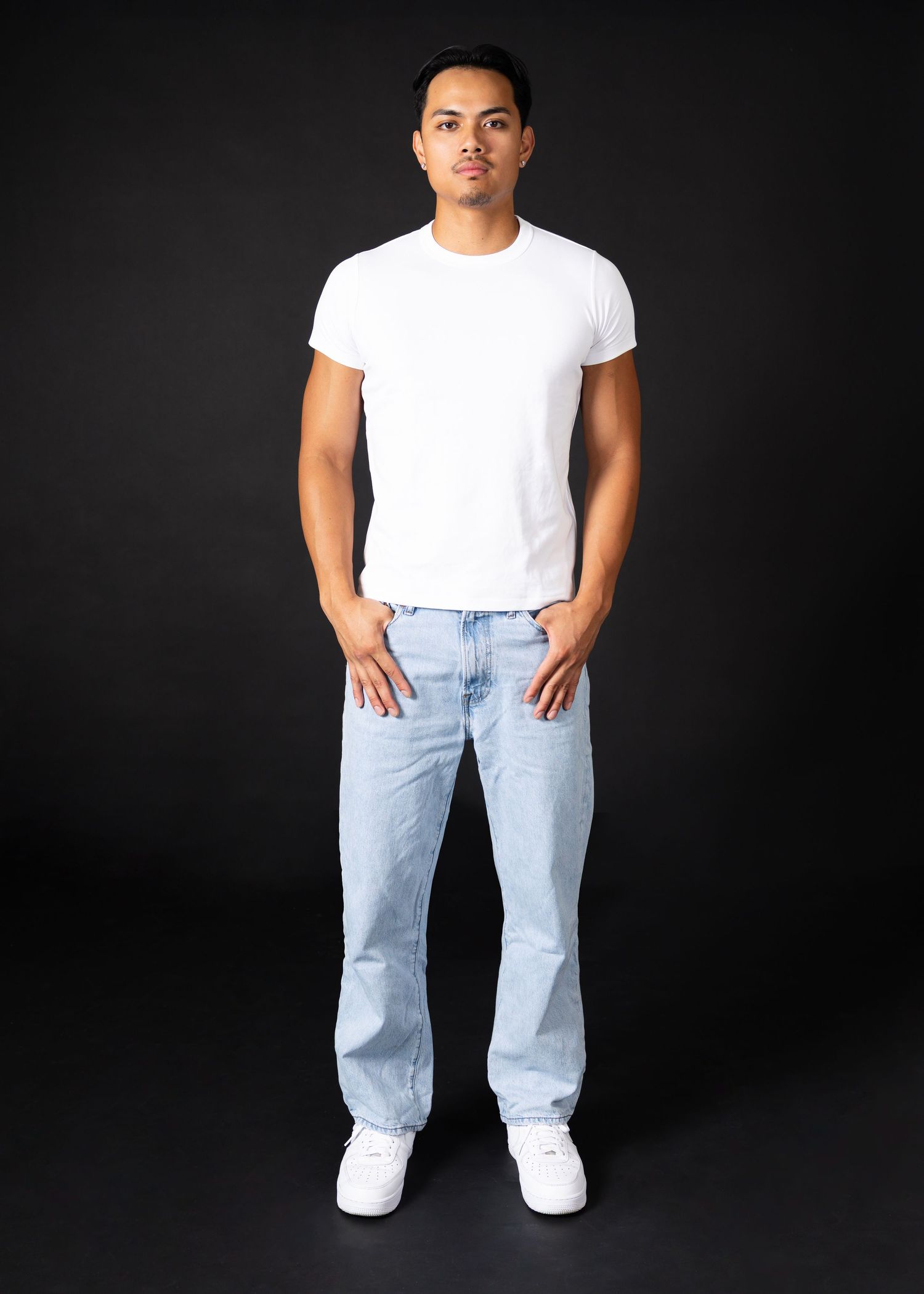
People new to modelling are sometimes surprised by how plain agency digitals can look. That simplicity is deliberate. Model digitals—sometimes called Polaroids—are intended to show the model clearly without heavy styling, dramatic lighting or extensive retouching. Agencies may request straightforward views of the face and body, natural hair, minimal or no makeup and simple fitted clothing. The purpose is assessment rather than artistic transformation.
A beautiful editorial photograph may demonstrate creativity and presence, but it cannot replace clean, accurate digitals when an agency specifically requests them. This is also why models should check the current submission instructions for every agency they plan to approach. An agency may request specific angles, clothing, framing or file specifications. Following those instructions is considerably more useful than sending 20 favourite images and hoping one happens to qualify.
A Model Portfolio Needs More Than Different Outfits
Changing clothes does not automatically create range. If the pose, expression, energy and body position remain essentially the same, a model portfolio may still communicate only one idea. Three outfits, three backgrounds and the exact same expression are technically different photographs. They are not necessarily range. 😂
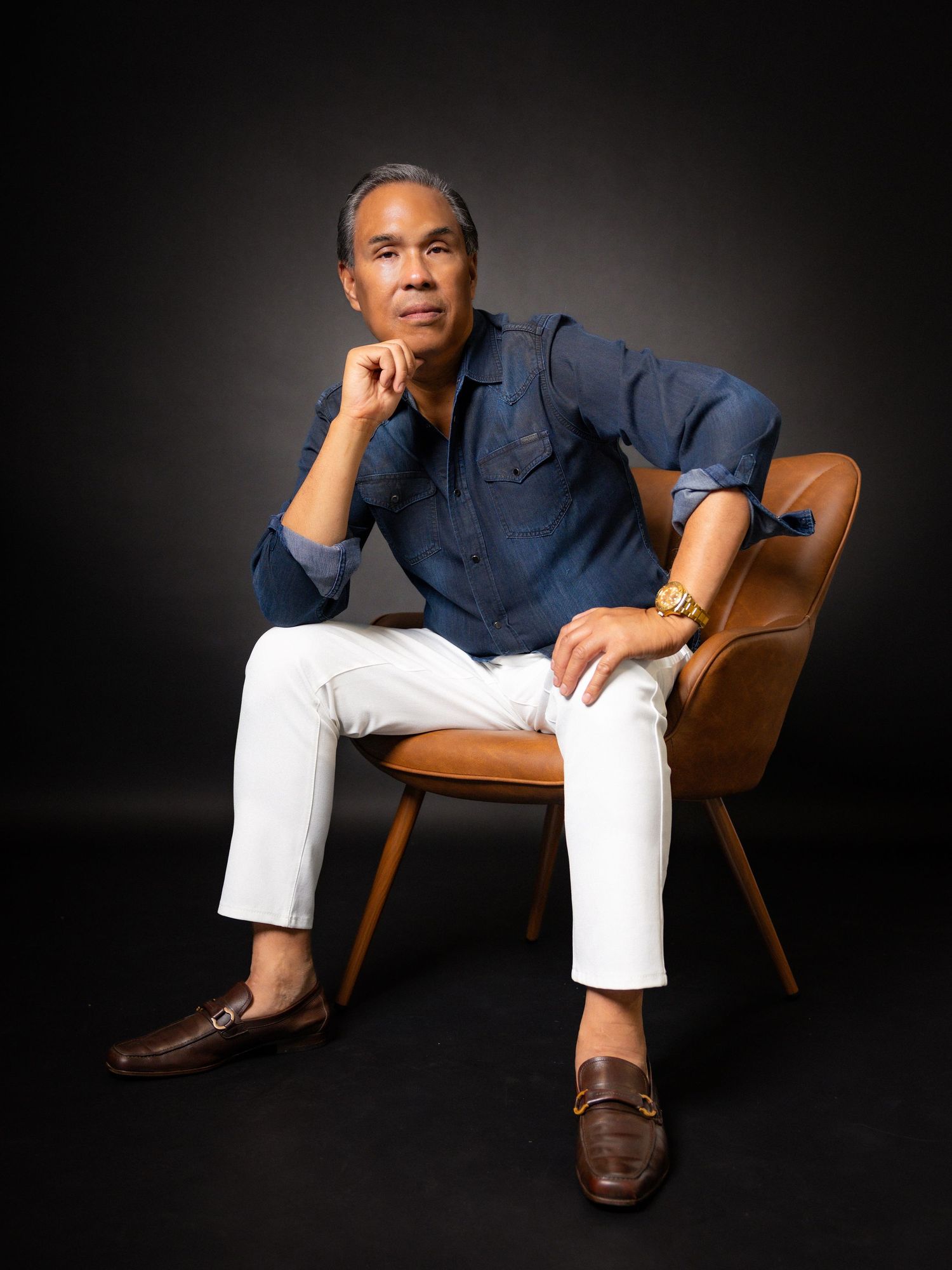
A useful portfolio should help agents and clients imagine the model working in different situations. Depending on the person’s goals, that could include commercial, lifestyle, fashion, editorial, beauty or product-based work. Commercial and lifestyle photographs may need warmth, movement and relatability. Fashion images may place more emphasis on shape, clothing, attitude and visual impact. Beauty work brings greater attention to the face, skin and smaller details.
The strongest model portfolio is not necessarily the one with the most photographs. It is the one in which each photograph adds useful information.
Everyone Wants to Be Discovered
We live in a time when almost everyone wants to be visible. People want followers, recognition, opportunities and the moment when the right person suddenly discovers them. What receives considerably less attention is the long stretch before that happens—the training, practice, rejection, repetition and deeply unglamorous work required to become ready.
Apparently, the preferred career plan is now to go viral on Tuesday and sign with an agency by Friday. Real careers tend to be slightly less cooperative. Social media can make success appear almost instant. Someone posts the right video, gets noticed and suddenly seems to be everywhere. What we usually do not see are the years behind it. There is nothing wrong with wanting to be seen. Actors and models need visibility. But visibility and professional readiness are not the same thing.
A large following may attract attention, but it does not automatically demonstrate acting range, emotional control, movement, adaptability or the ability to take direction. Agents, casting professionals and clients still need clear information when deciding whether someone is right for actual work.
Purposeful talent photography helps them look beyond follower counts, filters and whatever is trending this week. It gives them a clearer view of the person: what they genuinely look like, what they can communicate and where they may realistically fit.
For someone putting in the work, the right photographs help make that work visible. They do not replace training. They do not create experience that is not there. And they cannot promise instant recognition—despite what certain corners of the internet may suggest.
Photography may help someone get noticed, but it cannot manufacture professional readiness. Being noticed may open the door. Being prepared is what gives you something to do once it opens.
Every Talent Photograph Should Have a Job
One of the most common portfolio problems is repetition disguised as variety. The background changes. The clothing changes. The lighting changes. Yet every photograph communicates essentially the same thing.
Before adding an image to a professional collection, it helps to ask:
* Does this photograph accurately represent the person?
* Does it show something the portfolio does not already show?
* Does it support the type of work being pursued?
* Does it demonstrate a useful expression, energy or ability?
* Is it there for a professional reason—or simply because it is attractive?
There is nothing wrong with loving an image because it looks amazing. But a professional portfolio needs to do more than collect favourites. Every photograph should earn its place.
The Agent’s Direction Comes First
If an actor or model is already represented, their agent may know exactly which gaps need to be filled in the current portfolio. They may need a warmer commercial headshot, a stronger theatrical option, updated model digitals, more natural lifestyle photographs or images aimed at a particular market. Bring those recommendations, examples and requests to the photography session.
Agents understand how they intend to market the person and what they are currently submitting them for. Their strategy should help lead what is created. If your agent gives you specific instructions, this is not the moment to decide that rules are merely suggestions.
Anyone approaching agencies for the first time should review each agency’s current submission requirements before having digitals produced. A photograph can be excellent and still be unsuitable if it does not follow what was requested. The photographer’s role is not to override the people responsible for submitting and marketing talent. It is to understand the intended use and create photographs that support that professional direction.
Direction and Honest Retouching Matter
New actors and models often believe they should already know exactly what to do in front of the camera. They assume everyone with experience naturally understands every angle, expression and body position, while they have somehow missed an important class. Being comfortable on camera is a skill. It develops through practice and useful direction.
A slight change in eye line can alter an actor’s entire expression. Shifting weight can make a model’s posture look either deliberate or uncertain. Tension in the hands, jaw or shoulders may affect the photograph even when the person cannot feel it happening. The photographer should be watching for those details.
Good direction is not forcing everyone through the same collection of poses. It is recognizing what the camera is seeing and helping the person make deliberate choices. The photographer’s role is also not to invent marketability that is not there. It is to recognize genuine strengths and make them easier for the industry to assess.
Talent photographs should be polished, but they must remain honest. Professional retouching can address temporary blemishes, stray hairs and distracting details. It should not fundamentally change the person agents or casting professionals expect to meet. The goal is not perfection. It is an accurate, confident and professionally presented version of the person.
Start With the Opportunity, Not the Outfit
Before planning a talent photography session, begin with the work being pursued. Is the actor seeking commercial or theatrical roles? Are they creating their first headshot collection or replacing photographs that no longer represent them? Is the model preparing agency submissions, developing a commercial portfolio or trying to show more lifestyle, fashion or editorial range? Those answers should influence the clothing, expressions, lighting and types of photographs created. A fabulous jacket may deserve its moment, but it is not a career strategy.
Starting with three favourite outfits and trying to invent a professional purpose afterward is a little like choosing the wrapping paper before deciding what the gift is. The intended opportunity should lead the photography.
What Professional Talent Photography Should Accomplish
At its best, talent photography makes genuine potential visible. For actors, it helps casting professionals see believable possibilities while keeping the person current and recognizable. For models, it shows natural appearance, movement, presence and the ability to work within different visual directions.
That requires more than pressing the shutter at the right moment. It involves understanding the purpose of the photographs, respecting the agent’s strategy, recognizing genuine strengths and creating a collection in which every image contributes something useful.
Actors and models do not need to arrive knowing exactly how to pose or what every photograph should look like. A professional talent photographer should help clarify what the images need to accomplish, provide direction throughout the session and build a focused collection suited to its intended purpose.
At Not Normal Photography, Hayley works with emerging actors and models from our studio in Willoughby, Langley, serving talent throughout Langley, Surrey, Abbotsford, Maple Ridge, the Fraser Valley and Metro Vancouver. Because a talent portfolio should not merely prove that someone can look good in a photograph. It should help the right people see what they could do next.